
Eucalyptus propinqua
Eucalyptus propinqua
Description
Growing requirements
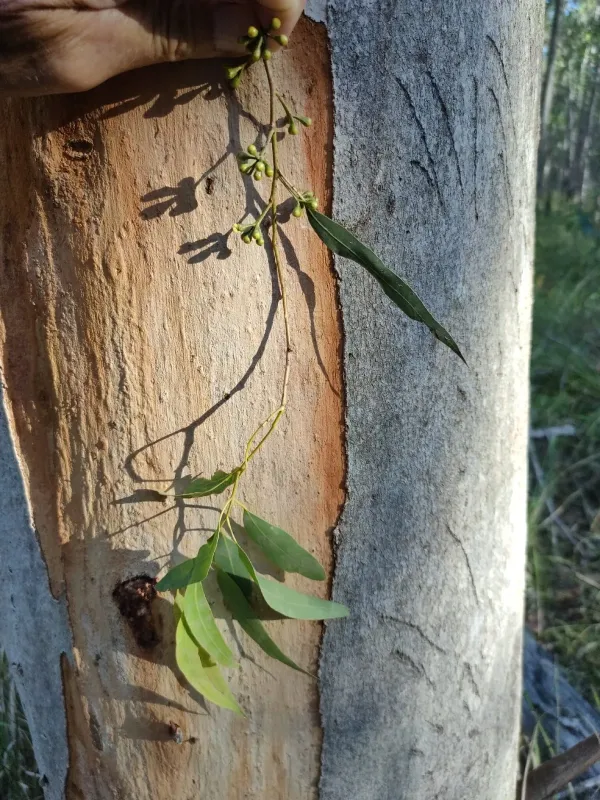
Eucalyptus propinqua, commonly known as the small-fruited grey gum, is a prominent member of the Myrtaceae family. This species is highly regarded in silviculture for its tall, straight trunk and the exceptional quality of its wood, which is dense and durable.
Native to the eastern coastal regions of Australia, specifically Queensland and New South Wales, this eucalyptus thrives in warm, humid subtropical climates. It is typically found in forests where it can take advantage of consistent rainfall and deep, fertile soils.
Successful cultivation requires deep, well-drained loamy soils. While the species is somewhat adaptable, it performs best in regions where the soil profile allows for deep root penetration. It is sensitive to severe frost, so selecting appropriate planting sites is crucial for long-term health.
The agronomic management of this species involves diligent site preparation to remove competing vegetation during the early stages of establishment. Once the canopy closes, the trees become highly efficient at suppressing weed growth, reducing the need for intensive maintenance.
The wood harvested from Eucalyptus propinqua is widely used in heavy construction, civil engineering, and high-quality flooring. Its natural resistance to decay and termites makes it a preferred choice for outdoor structures and industrial applications where durability is paramount.
Main diseases and pests
Fungal pathogens causing leaf spots and blight can affect the health of plantations, particularly in areas with poor airflow and high humidity. Proper spacing between trees is essential to manage the humidity levels within the canopy and reduce disease outbreaks.
Insect pests, including various species of eucalyptus weevils and leaf-eating beetles, represent significant threats to young plantations. Monitoring for signs of infestation early in the season is vital, and silviculturists often rely on integrated pest management to maintain tree vigor.