
Eucalyptus preissiana
Eucalyptus preissiana
Description
Growing requirements
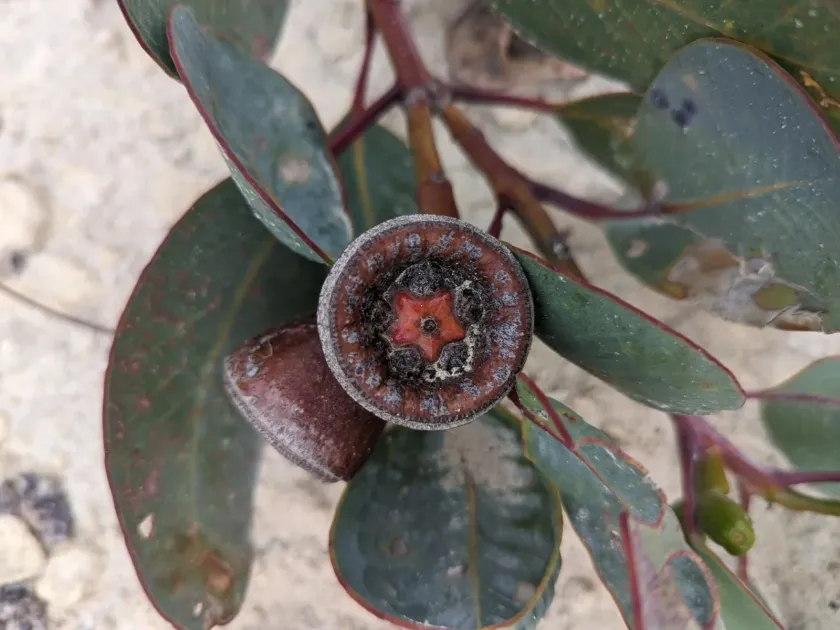
Eucalyptus preissiana, commonly known as the Bell-fruited Mallee, is a member of the Myrtaceae family native to the south-west of Western Australia. This species typically grows as a small, spreading tree or a mallee shrub with distinctively large, thick leaves.
The plant thrives in well-drained, sandy or gravelly soils that are nutrient-poor, reflecting its natural habitat in coastal or inland heathlands. It is highly drought-tolerant once established but requires full sun exposure to maintain its characteristic compact shape.
In terms of climatic requirements, it prefers Mediterranean-style climates characterized by warm, dry summers and mild winters. It is not frost-hardy and requires protection from freezing temperatures in colder regions, often necessitating greenhouse or container cultivation.
Effective agrotechnics involve careful management of water, ensuring the soil remains moist but never waterlogged. Good air circulation is essential to prevent physiological stress and maintain the health of the foliage throughout the growth cycle.
Fertilization should be handled with caution, as native eucalyptus species are adapted to low-nutrient environments. Controlled-release fertilizers designed for native plants can be applied sparingly during the spring to support vigorous development.
Main diseases and pests
The primary threats to Eucalyptus preissiana include fungal root rot pathogens, specifically those triggered by poor soil drainage and stagnant moisture. Maintaining a dry root zone is the most effective preventative measure against these infections.
Common insect pests include scale insects, which can colonize the stems and foliage, causing localized chlorosis and stunted growth. These pests often secrete honeydew, which may attract secondary fungal growth like sooty mold.
Mealybugs are another potential pest, particularly in controlled environments or greenhouses where air movement may be restricted. Monitoring the undersides of leaves and leaf axils is crucial for early detection of infestations.
Leaf-eating beetles can cause significant aesthetic damage, potentially impacting the plant's value in ornamental settings. Integrated pest management strategies, including biological controls or targeted insecticide application, are recommended.
Environmental stress, such as exposure to harsh winds or excessive humidity, can also leave the plant vulnerable to opportunistic infections. Proper site selection and careful monitoring are key to ensuring long-term plant health.