
Eucalyptus populnea
Eucalyptus populnea
Description
Growing requirements
Eucalyptus populnea, commonly known as the Poplar Box, is a distinct species within the Myrtaceae family. Native to eastern Australia, it is well-regarded for its adaptability to a wide range of inland environmental conditions.
The tree thrives in subtropical climates, showing a remarkable ability to survive in semi-arid zones. It performs best when planted in deep, nutrient-rich alluvial soils, though it remains productive in various clay-based soil profiles.
Regarding climate, this species prefers regions with warm summers and mild winters. It is highly valued for its drought resistance, making it an excellent candidate for reforestation projects in challenging, dry areas.
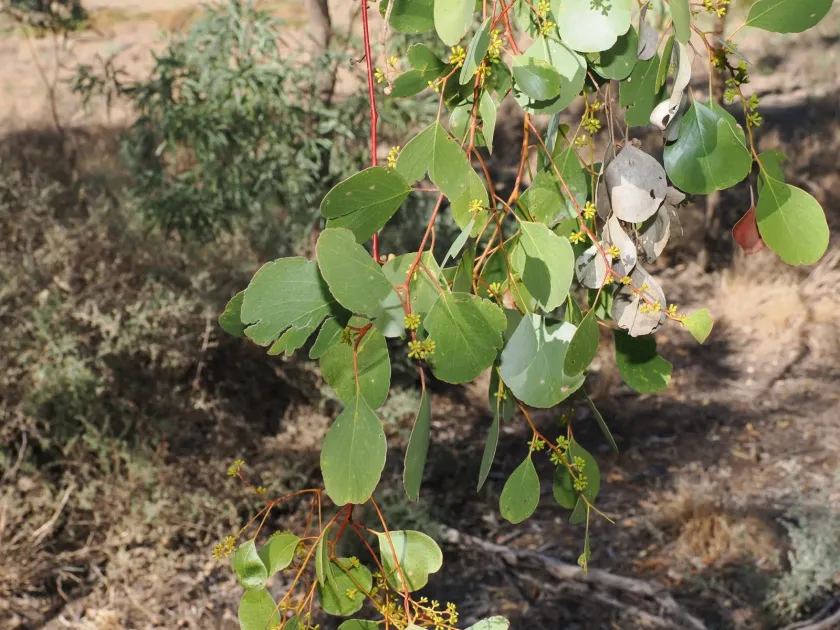
Botanically, it is identified by its glossy, poplar-like leaves and rough, fibrous bark that covers the trunk and larger branches. This structure provides a unique aesthetic and biological resilience against heat stress.
Economically, the Poplar Box is highly utilized in apiary industries, as it produces high-quality nectar. Its timber is dense and durable, often used in rural fencing and farm construction projects, reinforcing its agricultural value.
Main diseases and pests
Pest management for Eucalyptus populnea requires vigilance against several species of leaf-eating insects. Beetles of the Chrysomelidae family can cause significant defoliation if left unchecked during the juvenile stage.
Fungal pathogens such as leaf spot diseases represent a common threat in nurseries or regions with high relative humidity. Ensuring proper air circulation between trees is the primary cultural practice to mitigate fungal spread.
Root rot, typically caused by Phytophthora species, may occur in poorly drained sites where water logging persists. Careful selection of the planting site is essential to prevent these soil-borne diseases from affecting the stand.
Boring insects, or wood-borers, tend to target stressed or damaged trees. Maintaining plant health through proper site management and nutrition acts as a natural deterrent against these persistent forest pests.
Regular sanitation measures, including the removal and destruction of infected limbs, are advised to maintain the overall health of the plantation. Early detection is key to managing populations and preventing outbreaks.