
Eucalyptus polyanthemos
Eucalyptus polyanthemos
Description
Sowing dates
The sowing of Eucalyptus polyanthemos is typically initiated in nurseries during late winter or early spring to ensure robust seedlings for the upcoming season.
Due to the extremely fine size of the seeds, they are surface-sown on a lightweight, well-draining peat-based growing medium to facilitate optimal germination.
A stable temperature range of 20–25 degrees Celsius is critical during the initial germination phase, combined with consistent humidity provided by greenhouse environments.
Seedlings are pricked out and transplanted into individual containers once the first true leaves appear, which encourages a strong root development essential for field survival.
Acclimatization of the plants before permanent field planting is a standard practice to reduce transplant shock and ensure steady growth after the final frost risk passes.
Growing requirements
Eucalyptus polyanthemos, belonging to the Myrtaceae family, is native to southeastern Australia and is well-adapted to drier woodland conditions.
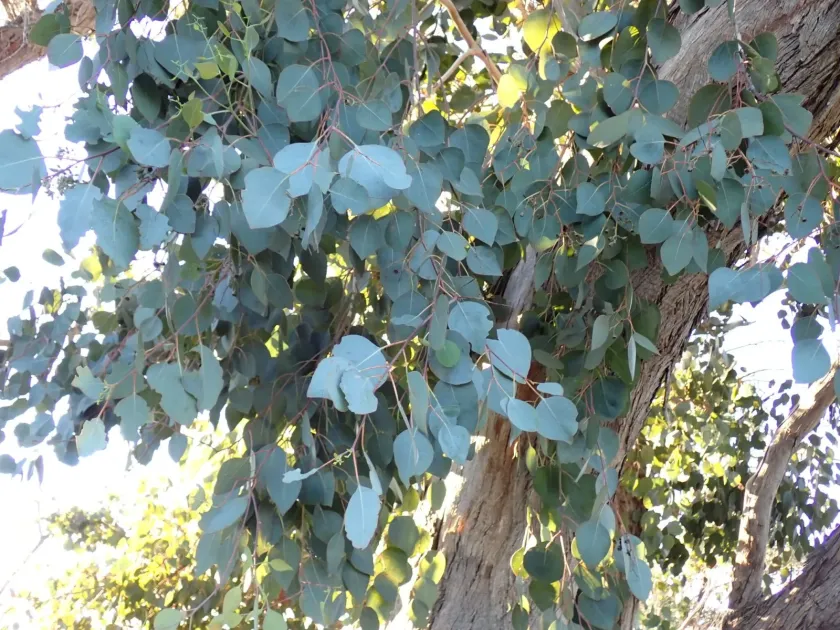
The species requires full solar exposure to achieve maximum growth rates and to maintain the characteristic silver-grey coloration of its foliage.
Well-drained, slightly acidic to neutral soils are preferred; the plant is highly intolerant of waterlogged conditions which rapidly lead to root decay.
While mature trees exhibit significant drought tolerance, young plants require regular irrigation during their first two years to establish an extensive root system.
It is moderately frost-hardy, capable of surviving light frosts, but prolonged exposure to freezing temperatures may cause severe foliage and branch damage.
Yield
The primary economic value of Eucalyptus polyanthemos lies in its foliage, which is highly sought after by the floral industry as a durable filler.
Commercial plantations utilize specific pruning cycles to stimulate the production of numerous juvenile stems, which have a more rounded shape compared to adult leaves.
Beyond floristry, the species is utilized in agroforestry and land reclamation projects due to its fast growth rate and ability to stabilize soil.
The timber, known for being dense and durable, is often harvested in regions where it is cultivated as a forest crop, providing secondary revenue streams.
Yield efficiency is dictated by site selection, irrigation management, and the frequency of harvests performed per growing season to maximize stem production.
Main diseases and pests
Root rot caused by Phytophthora species represents a major threat in soils where drainage is insufficient, often leading to rapid tree mortality.
Foliage-feeding insects and scale insects are common pests that can significantly stunt the growth and aesthetic quality of the marketable stems.
Powdery mildew may occur in dense plantings where airflow is restricted, leading to white coating on the leaves and reduced commercial value.
Integrated pest management, including regular inspection and targeted application of ecological control agents, is essential for maintaining crop health.
- Regular canopy thinning to ensure proper air circulation.
- Monitoring for honeydew or soot mold as indicators of sap-sucking pests.
- Removing fallen debris to minimize the buildup of fungal pathogens.
Harvesting
Harvesting of decorative stems is carried out manually, selecting branches that have attained the required length and specific foliage color density.
Stems must be cut using clean, sharp secateurs to prevent jagged wounds that could serve as entry points for pathogens and wood-boring insects.
Post-harvest management is crucial; stems should be immediately transferred to a cool, shaded environment to prevent desiccation and preserve the waxy cuticle.
For timber production, harvesting cycles are much longer and involve the felling of mature trunks, typically determined by market demands for wood density.
Timing the harvest for early morning allows for the highest moisture content in the stems, which significantly extends the shelf life of the foliage post-harvest.