
Eucalyptus pleurocarpa
Eucalyptus pleurocarpa
Description
Growing requirements
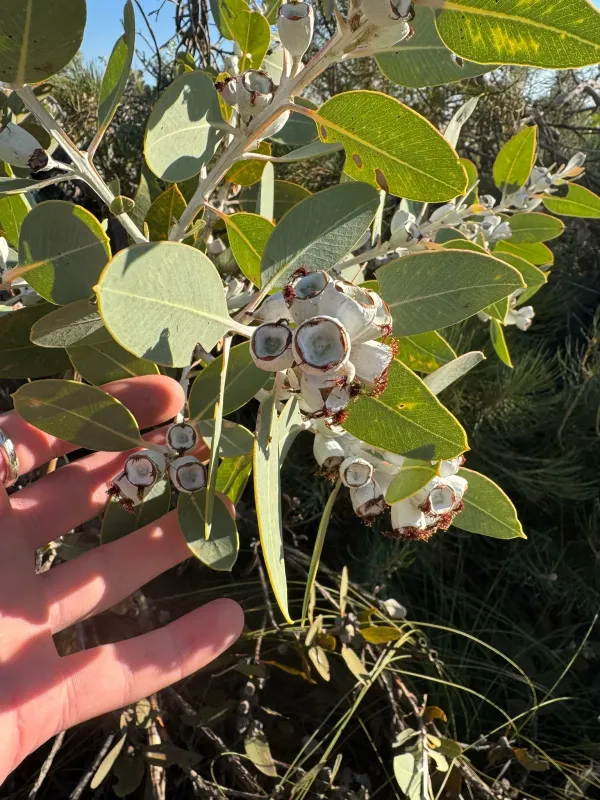
Eucalyptus pleurocarpa, commonly known as Tallerack, is a distinctive evergreen tree or shrub belonging to the Myrtaceae family, native to Western Australia.
The plant thrives in sandy or rocky soils, which are typical of its natural range, and is highly adapted to arid and Mediterranean climatic conditions.
Cultivation requires well-drained soil to prevent root rot, as the species is sensitive to waterlogged conditions, especially during dormant periods.
It demands full sunlight to maintain its characteristic foliage color and to support healthy growth rates in both nursery and field settings.
Agronomic management involves periodic fertilization using low-phosphorus inputs, as this species, like many Australian natives, can be sensitive to excess phosphorus.
Main diseases and pests
The primary threats to this species include various fungal pathogens, specifically those that target the root system under high humidity conditions.
Pests such as leaf beetles and weevils pose a significant challenge to foliage quality, as they can cause extensive damage to the leaves.
Integrated pest management strategies should focus on biological control agents to mitigate the risk of chemical residue on marketable greenery.
Regular monitoring of the planting density is essential to ensure adequate air circulation, which helps reduce the incidence of opportunistic plant diseases.
In indoor or greenhouse cultivation, growers must be particularly vigilant for spider mites, which thrive in dry and warm microclimates.
Harvesting
Eucalyptus pleurocarpa is primarily valued for its ornamental appeal, with its glaucous foliage being a sought-after component in the floral industry.
Harvesting for floral greenery is performed by cutting selected stems, which encourages branching and helps maintain the desired shape of the shrub.
The stems are appreciated for their longevity in vases and their unique grey-blue aesthetic, making them ideal for commercial floral arrangements.
Beyond its ornamental use, the foliage is a source of essential oils, positioning the plant as a niche candidate for aromatic product extraction.
Post-harvest handling involves keeping the cut stems in cool environments to ensure that the wax-coated leaves retain their freshness during transport.