
Eucalyptus platypus
Eucalyptus platypus
Description
Growing requirements
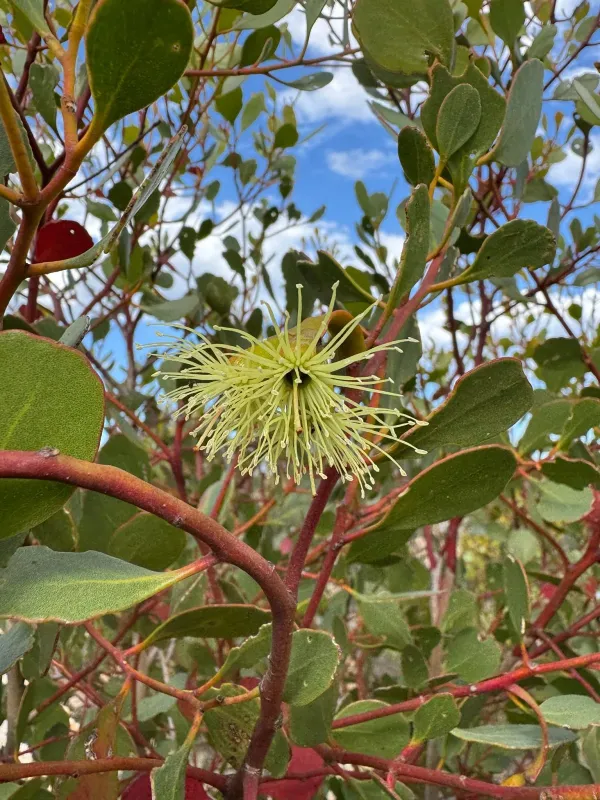
Eucalyptus platypus, commonly known as the Moort, belongs to the Myrtaceae family. It is a perennial evergreen plant that typically grows as a dense shrub or a small tree, often recognized for its distinct, broad, and glossy leaves.
Native to the southwestern region of Western Australia, this species is highly adapted to Mediterranean climates. Its natural habitat is characterized by low rainfall and high temperature fluctuations, making it a robust choice for arid-land reforestation.
The plant thrives in well-drained, nutrient-poor, and sandy or gravelly soils. It shows remarkable tolerance to a variety of soil types as long as there is no waterlogging, which is critical for maintaining healthy root systems in this species.
Climate requirements include plenty of sunlight and exposure to open air. It is best suited for zones that do not experience severe, prolonged frost, although established trees can survive minor cold snaps without significant damage to their structure.
Agronomic management involves standard practices for drought-tolerant species. During the establishment phase, young plants require careful weed control and supplemental watering, but as they mature, their reliance on external irrigation becomes minimal.
Main diseases and pests
Pathogenic threats include various types of root rot caused by Phytophthora species, especially if soil aeration is compromised. Leaf spot fungi can also affect the plant during unseasonably humid and stagnant weather conditions.
Pests that frequently target Eucalyptus platypus include leaf-feeding beetles and scale insects. In nursery conditions, spider mites may become a challenge if the environment is too dry and lack of proper air circulation is observed.