
Eucalyptus platyphylla
Eucalyptus platyphylla
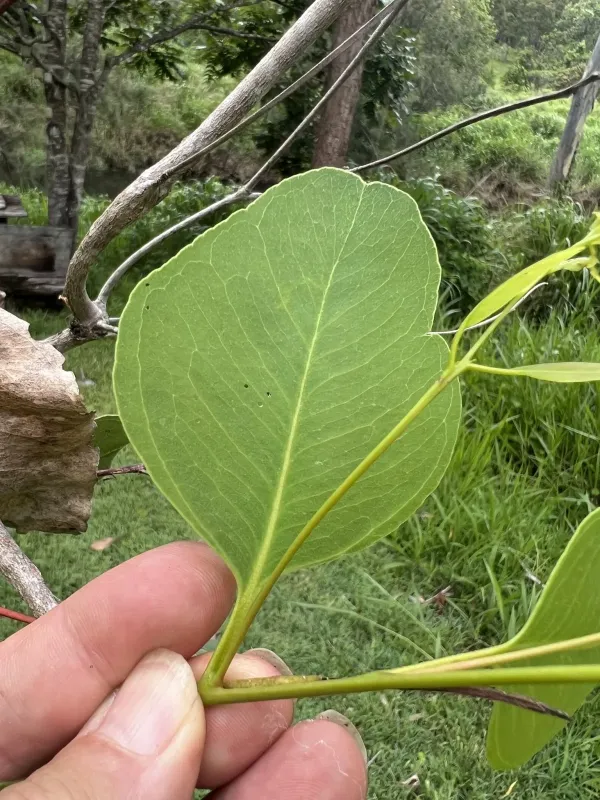
Description
Growing requirements
Eucalyptus platyphylla belongs to the Myrtaceae family and is recognized for its rapid growth rate and ability to thrive in tropical and subtropical environments.
This species is native to northern Australia and Papua New Guinea, where it typically inhabits floodplains, wet savannahs, and areas with distinct seasonal rainfall.
The tree prefers deep, fertile soils but exhibits notable tolerance for various soil textures, including poorly drained clays that would be unsuitable for other eucalyptus species.
Optimal growth occurs in warm climates with high humidity; however, the species shows remarkable resilience to seasonal waterlogging, which is a key trait for its range.
Agronomic management involves selecting appropriate planting sites, ensuring adequate initial weed control, and monitoring sapling development during the first growth cycles.
Main diseases and pests
The primary biological threats to this species include fungal pathogens that cause leaf spot diseases, especially in high-humidity climates common in tropical areas.
Insect pests, including various defoliating beetles and borers, can significantly impact the health and wood quality of the plantation if left unmanaged.
Termites can cause mortality in young plantations, necessitating prophylactic treatments during the establishment phase of the tree crop.
Environmental stress, such as extreme weather events, can increase susceptibility to secondary pathogens, making proper plantation maintenance vital for long-term health.
Integrated pest management strategies focusing on early detection and maintenance of tree vigor are essential to maximize yield and prevent widespread damage.