
Sydney peppermint
Eucalyptus piperita
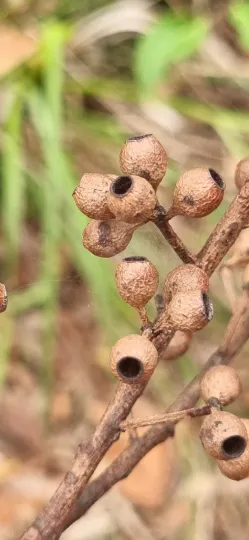
Description
Growing requirements
The Sydney peppermint (Eucalyptus piperita) is a broad-leaved evergreen tree belonging to the Myrtaceae family. Native to the coastal regions of New South Wales, Australia, it typically inhabits sandstone-based soils with excellent natural drainage.
The climate requirements for this species include mild temperatures and a frost-free environment. While it is hardy in its native habitat, it requires careful site selection in commercial forestry to avoid areas prone to severe, prolonged winter freezes.
Sunlight is a critical factor for the development of Eucalyptus piperita. It thrives in full sun exposure, which is necessary to maximize the biosynthesis of the essential oils concentrated in its foliage.
Soil quality should lean towards well-drained, sandy loams with a slightly acidic profile. Proper site preparation, including tilling and drainage installation, is essential to prevent waterlogging, which the species does not tolerate.
Economically, the tree is valued for its unique essential oil, which contains piperitone. This oil is a sought-after commodity in the pharmaceutical and flavoring industries, driving the need for standardized cultivation practices.
Main diseases and pests
Leaf-eating insects are the most common agricultural threats to Sydney peppermint plantations, as they can rapidly defoliate younger trees and significantly reduce the photosynthetic surface area.
Fungal pathogens, such as leaf spot and various blights, pose a threat in high-humidity environments. These pathogens thrive when air circulation within the plantation is poor.
Root rot, often caused by Phytophthora species in poorly drained soils, remains a major risk. Preventing saturation through proper water management is the most effective defense against this disease.
Invasive weed competition during the early establishment phase of the plantation can stunt growth, necessitating integrated weed management strategies during the first years of planting.
Regular forest health monitoring and the application of integrated pest management (IPM) protocols are necessary to ensure a healthy yield without excessive reliance on synthetic pesticides.
Harvesting
Harvesting Eucalyptus piperita involves the periodic coppicing or pruning of branches. This technique promotes the growth of juvenile foliage, which is often richer in essential oil compounds than mature leaves.
The timing of the harvest is usually synchronized with the peak seasonal growth. Producers often conduct pre-harvest testing to ensure that the concentration of desired chemicals is at its maximum.
Speed is essential once the green mass is cut. The material is transported rapidly to distillation facilities to minimize the loss of volatile compounds caused by heat and prolonged exposure to air.
Standardized mechanical cutters are typically employed in large-scale operations to ensure that the canopy is pruned uniformly, allowing for even regeneration across the plantation.
Following the harvest, the plantation requires adequate nutrient replenishment and water management to support the vigorous regrowth required for the subsequent harvest cycle.