
Eucalyptus phoenicea
Eucalyptus phoenicea
Description
Sowing dates
Eucalyptus phoenicea, commonly known as the scarlet gum, is a tropical species that requires specific conditions for successful germination. Seeds should be sown in a warm, well-lit environment, ideally with temperatures consistently between 20 and 25 degrees Celsius.
For cultivation purposes, use a light, sandy, and well-draining seed-starting mix. The seeds should be sown on the surface and lightly covered with a thin layer of fine grit or vermiculite, as they often require light to initiate the germination process.
Maintain consistent moisture levels but avoid waterlogging the soil. A humidity dome or cover can be used to stabilize environmental conditions until the first cotyledons emerge, which usually takes two to four weeks depending on seed freshness.
Seedlings develop a sensitive taproot early on. It is advisable to use individual propagation cells or biodegradable pots to minimize root disturbance when transplanting the young trees into larger containers or permanent locations.
Hardening off the seedlings is a critical phase. Gradually expose the young plants to outdoor conditions over a two-week period, ensuring protection from strong winds and harsh midday sun during the initial transition.
Growing requirements
Belonging to the Myrtaceae family, this species is native to northern Australia. It thrives in well-drained, nutrient-poor, sandy, or rocky soils, reflecting its adaptation to challenging environmental conditions.
Full sun exposure is non-negotiable for Eucalyptus phoenicea. It requires a minimum of six to eight hours of direct sunlight daily to maintain its structural integrity and encourage the development of its signature fiery-colored blossoms.
While the tree is highly drought-tolerant once established, young plants require regular and deep watering during their first growing season to develop a robust root system. Once mature, the tree can withstand long dry spells without intervention.
The soil pH should ideally be neutral or slightly acidic. The plant is intolerant of heavy, clay-rich soils that retain excessive water, as poor drainage is the most frequent cause of root decay in this species.
Temperature is the main limiting factor for widespread cultivation. It is not frost-hardy and will suffer significant damage or mortality if exposed to freezing temperatures, making it suitable for tropical or protected conservatory settings in colder climates.
Yield
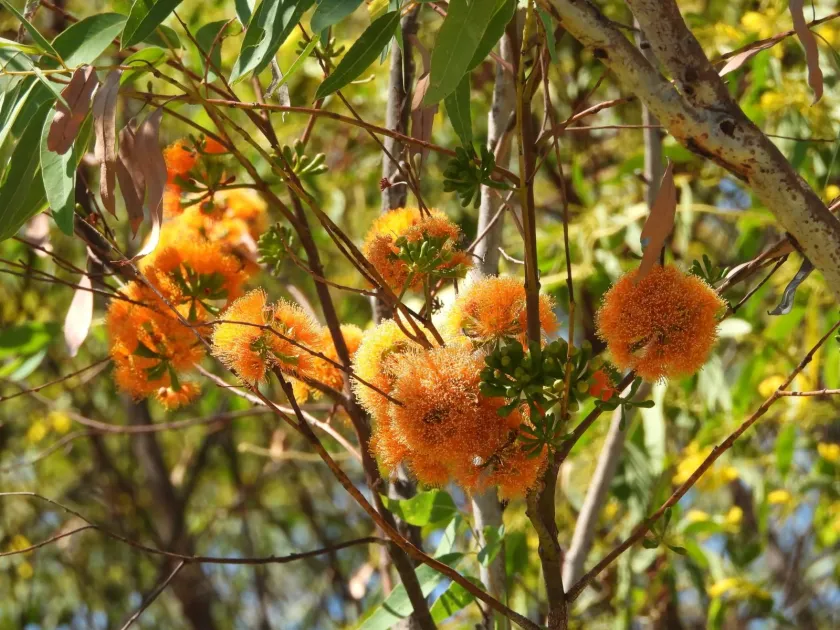
The primary value of Eucalyptus phoenicea lies in its ornamental utility. Its striking orange-red stamens make it a highly desirable species for landscape design in appropriate climate zones, providing significant aesthetic appeal.
As a nectar-rich species, it serves as an excellent pollinator attractant. Honeybees and various native birds are drawn to the blossoms, which can enhance the biodiversity and productivity of the surrounding ecosystem.
Though not commonly harvested for large-scale timber, the wood of the scarlet gum is dense and durable. It may be used in specialized woodworking or craft applications where small, high-quality pieces are required.
Eucalyptus oil extracted from the leaves contains bioactive compounds that can be used in traditional medicine or as a natural insect repellent, although commercial extraction is limited compared to other widespread eucalyptus species.
Nursery stock production provides a consistent economic return for specialized growers. Due to its exotic appearance and specific regional appeal, healthy potted specimens fetch a premium price in international horticultural markets.
Main diseases and pests
Root rot is the most significant threat to the health of Eucalyptus phoenicea. It is caused by overwatering or planting in poorly drained soil, which fosters the proliferation of pathogenic fungi like Phytophthora.
Scale insects are frequent pests that attach to the young stems and foliage. They extract plant sap, which leads to stunted growth, yellowing leaves, and the potential development of sooty mold on the sticky honeydew secretions.
Spider mites are a persistent problem in hot, arid conditions. These microscopic pests feed on the underside of leaves, causing discoloration and eventual defoliation if left unmanaged for an extended period.
Leaf spot diseases, often caused by bacterial or fungal pathogens, can occur in environments with poor air circulation. Proper spacing between trees and avoiding overhead irrigation can significantly reduce the risk of infection.
Poor site selection often results in leggy or weak growth, making the tree more susceptible to physical damage during storms. Preventive maintenance includes pruning deadwood and ensuring the tree is planted in an area with sufficient wind protection.