
Eucalyptus perriniana
Eucalyptus perriniana
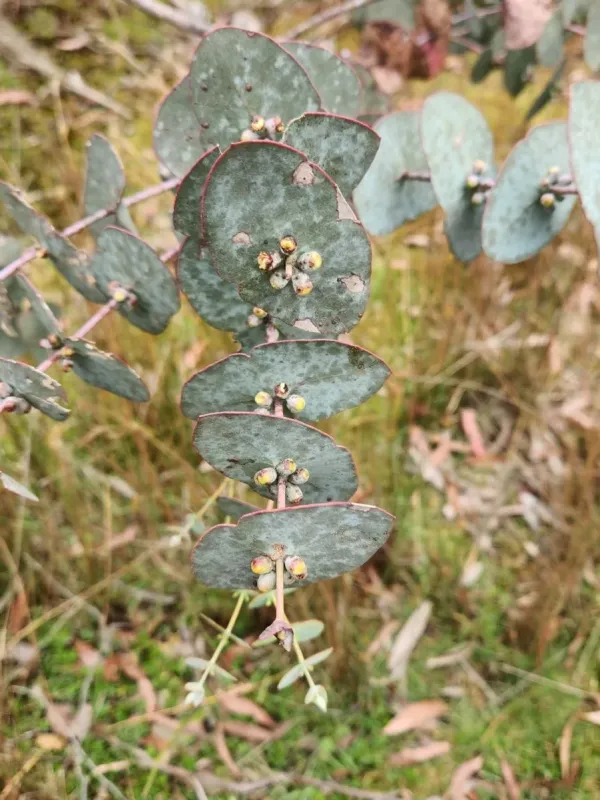
Description
Sowing dates
Sowing seeds of Eucalyptus perriniana should take place in early spring using a well-draining, sterile seed-starting mix to prevent damping-off diseases common in young seedlings.
Stratification of seeds for 4 to 6 weeks at low temperatures is highly recommended to break dormancy and ensure uniform germination across the seed tray.
The seeds should be sown thinly on the surface and lightly covered with vermiculite, keeping the environment at a steady temperature of approximately 20 degrees Celsius.
Once the seedlings develop two sets of true leaves, they should be carefully transplanted into deeper pots to accommodate their rapidly growing taproot system.
Hardening off the seedlings over a period of 10-14 days before planting them into their final garden position is essential for successful establishment and survival.
Growing requirements
Belonging to the Myrtaceae family, Eucalyptus perriniana, often called the Spinning Gum, is renowned for its ability to tolerate cold and frost better than most eucalyptus species.
The plant thrives in full sun exposure, which is necessary to maintain the unique juvenile foliage that characterizes this ornamental and versatile tree species.
It prefers well-drained, slightly acidic soil; however, it demonstrates notable adaptability to various soil types provided there is no persistent waterlogging.
Water requirements are moderate, with consistent moisture needed during the first year; mature plants become increasingly drought-tolerant once their roots are established.
Proper airflow is critical for this species to prevent humidity-related issues, making it an excellent candidate for open, airy garden spaces or well-ventilated nurseries.
Main diseases and pests
Root rot caused by Phytophthora species is a major threat in soils with poor drainage, which can rapidly lead to the decline and death of the entire plant.
Spider mites are common pests during hot, dry spells and can significantly damage the leaves, causing them to lose their characteristic blue-grey color and vigor.
Leaf spot fungi may appear during excessively wet and humid seasons, requiring the removal of infected foliage and the application of suitable fungicidal treatments.
Scale insects can attach themselves to the stems and leaves, extracting sap and weakening the plant, which often necessitates manual removal or targeted pest control.
Regular monitoring of the canopy and soil moisture levels remains the best defense against both common pests and environmental stressors affecting the plant.