
Small-leaved eucalyptus
Eucalyptus parvula
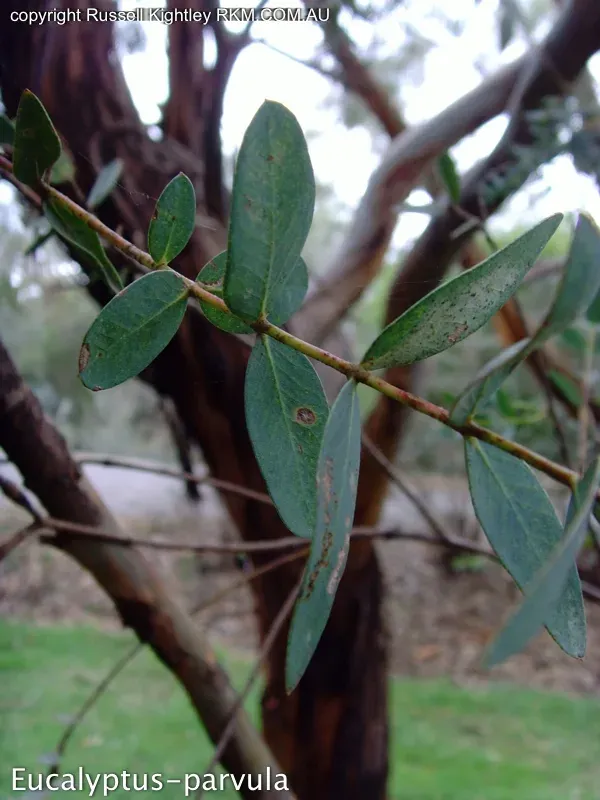
Description
Sowing dates
Eucalyptus parvula, known as the small-leaved eucalyptus, belongs to the Myrtaceae family. Propagation is primarily carried out via seeds, which should be sown in a greenhouse environment during late winter or early spring to ensure optimal germination success.
Seeds require a period of stratification at approximately 4°C for several weeks to break dormancy. After this period, they are sown on the surface of a fine, well-draining seed-starting mix, as light is beneficial for their development.
Germination typically takes between two to four weeks under constant temperature conditions (18-22°C) and controlled humidity. Keeping the substrate moist is critical, but the use of a fungicide may be necessary to prevent damping-off in tender seedlings.
Transplanting into individual containers occurs once seedlings have developed several pairs of true leaves. Proper spacing is essential to encourage air circulation and prevent the development of opportunistic fungal pathogens.
Hardening off the plants before final field transplanting is a mandatory stage. The process should occur over 10-14 days to acclimatize the trees to outdoor environmental conditions and prevent transplant shock.
Growing requirements
This species thrives in sunny, open locations with well-draining soil. It is adaptable to various soil types but performs best in slightly acidic to neutral soils with deep profiles that allow for root system development.
While Eucalyptus parvula is moderately drought-tolerant once established, it requires regular moisture during the first two years of growth. Avoiding waterlogged soil is paramount, as the species is highly susceptible to root rot in poorly drained areas.
Climatic requirements focus on its ability to withstand light frosts. It is suitable for regions with mild winters, though young plants require protection from severe cold and drying winter winds.
Fertilization should be managed cautiously. High phosphorus fertilizers are typically avoided to prevent toxicity symptoms. A balanced, low-phosphorus slow-release fertilizer is ideal for ensuring steady annual growth.
Pruning is essential for both commercial production and ornamental maintenance. Regular trimming encourages a bushy habit and ensures that the plant produces high-quality juvenile foliage, which is the most valuable part of the tree.
Yield
The primary economic use of Eucalyptus parvula is in the floral industry. The plant is highly valued for its small, silvery-blue leaves that remain fresh for an extended period, making them excellent filler material for bouquets.
Yield is measured by the volume and quality of cut foliage. Intensive management, including regular pruning and proper irrigation, allows for multiple harvests per season starting from the third year of cultivation.
Essential oils extracted from the foliage are utilized in the pharmaceutical and fragrance industries. The chemical profile of the leaves makes them suitable for high-value botanical extracts.
While the tree can grow to a significant size, its use for timber is limited due to the specific focus on juvenile foliage production. Harvesting is timed to ensure leaves are mature enough to be robust but still retain their attractive juvenile shape.
Market demand for high-quality foliage ensures that even small-scale operations can be profitable, provided that the product meets high aesthetic standards and is free from blemishes or insect damage.
Main diseases and pests
Leaf spot diseases caused by various fungi, such as Mycosphaerella, are the most frequent threats. These pathogens thrive in stagnant air and high-humidity environments, necessitating regular pruning for better ventilation.
Root rot (Phytophthora) represents a major risk in heavy soils or where irrigation management is poor. Prevention relies on selecting sites with excellent natural drainage and avoiding excessive nitrogen fertilization.
Insect pests include sap-sucking insects like aphids, scales, and eucalyptus weevils, which can significantly damage young leaves and reduce the marketability of the cut stems.
Integrated Pest Management (IPM) is recommended, focusing on early detection and the use of targeted biological or chemical controls to protect the plant's health without disrupting the beneficial insect population.
Monitoring for signs of stress, such as yellowing leaves or wilting, allows growers to intervene quickly before an infestation or disease outbreak impacts the overall productivity of the plantation.