
Thick-calyx eucalyptus
Eucalyptus pachycalyx
Description
Growing requirements
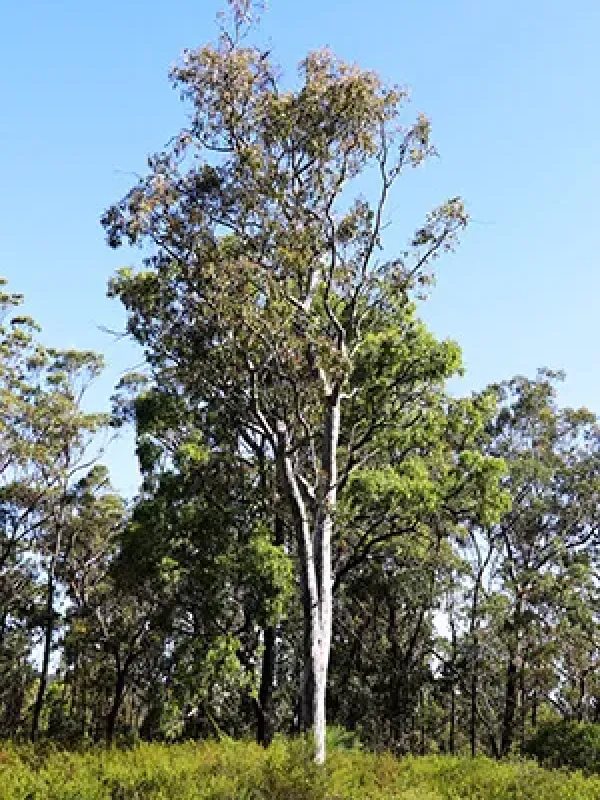
Eucalyptus pachycalyx, commonly known as the thick-calyx eucalyptus, is a member of the Myrtaceae family. Native to the tropical and subtropical regions of Queensland, Australia, it is well-adapted to specific ecological niches with distinct dry and wet seasons.
The crop thrives in well-drained, sandy-loam soils that allow for rapid root penetration. It requires full sun exposure for optimal metabolic processes and cannot tolerate waterlogged conditions, which lead to root asphyxiation and eventual plant death.
Climatically, this species is suited to zones where temperatures remain well above freezing throughout the year. It possesses physiological mechanisms to minimize transpiration, allowing it to maintain growth during periods of moderate drought.
The botanical structure of the tree features smooth, exfoliating bark and lanceolate leaves that are rich in essential oils. These oils function as a defense mechanism against insects and contribute to the tree's overall resilience in its native ecosystem.
Economic uses of the species are multifaceted, ranging from land rehabilitation and wood production to the extraction of essential oils for industrial and medicinal applications. Its timber is valued for its durability and resistance to decay.
Main diseases and pests
Primary threats to the health of the plantation include fungal pathogens such as Phytophthora, which can compromise the root system. Furthermore, infestation by wood-boring beetles and defoliating insects can significantly impact growth rates if not managed through integrated pest control.