
Swamp gum
Eucalyptus ovata
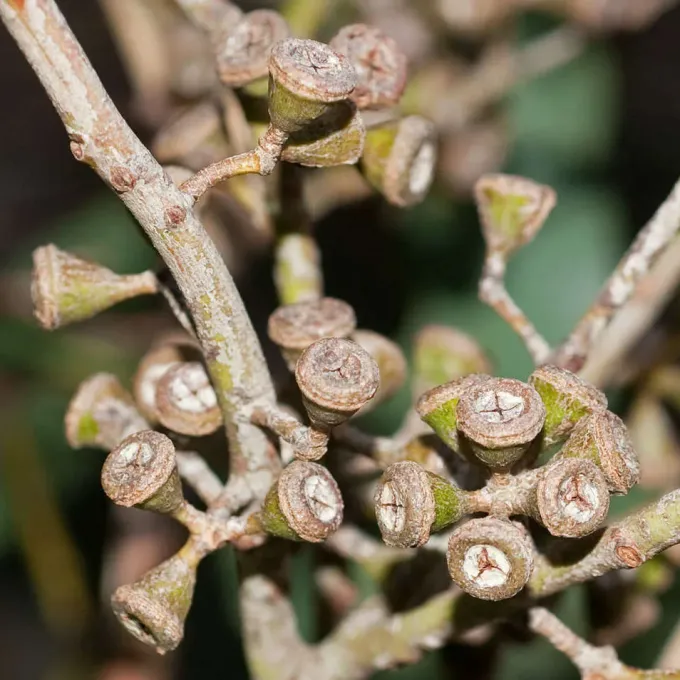
Description
Sowing dates
The propagation of Eucalyptus ovata typically begins with seed sowing in nursery trays during late winter. Given the small size of the seeds, they should be lightly covered with a fine, well-draining germination mix to ensure optimal contact.
Maintaining a steady temperature between 20°C and 25°C is critical for uniform germination. High humidity must be sustained in the early stages, often using misting systems to prevent the delicate seedlings from desiccating.
Once seedlings develop their first true leaves, they are pricked out into individual containers. This phase is essential for strengthening the root system before the young plants are introduced to the nursery hardening area.
Hardening off involves gradually exposing the seedlings to full outdoor conditions over several weeks. This prepares the trees for the environmental stresses of field planting, such as varying temperatures and wind exposure.
Field planting should take place in spring to allow the trees to establish their root systems before the onset of extreme summer or winter conditions. Proper spacing is necessary to ensure each tree receives adequate airflow and light.
Growing requirements
Eucalyptus ovata, commonly known as the Swamp gum, is a member of the Myrtaceae family. It is distinct among eucalypts for its preference for heavy, wet soils and its inherent tolerance to waterlogged conditions.
Native to southeastern Australia and Tasmania, this species thrives in cool, temperate climates. It is highly adaptable to areas with significant rainfall, making it an excellent candidate for reforestation in wetland peripheries.
Light requirements for this species are substantial; it is a light-demanding tree that performs best in open, sunny locations. Shaded conditions often lead to poor crown development and reduced overall vigor of the tree.
While the tree is tolerant of wet feet, it performs best when the soil is rich in organic matter. Soil pH ranging from mildly acidic to neutral is ideal for maximizing nutrient uptake and supporting the tree’s rapid growth rate.
Protection from severe, drying winds is recommended for young plantations, as these can stunt growth and cause leaf burn. As the tree matures, it develops better resistance to local environmental stressors.
Yield
The economic value of Eucalyptus ovata is primarily derived from its high-quality fiber and rapid production of biomass. It is widely recognized in the timber industry for its potential in paper pulp production.
Commercial harvesting cycles for this species typically range from 15 to 25 years. Through intensive forest management, yields per hectare can be significantly optimized, exceeding those of many slower-growing temperate species.
Leaves of the Swamp gum are rich in essential oils, which can be extracted as a secondary product. This provides additional income streams for plantation owners and improves the overall sustainability of the operations.
Energy biomass is another promising field for this species, as it produces dense wood suitable for heating and bioenergy applications. Modern forestry practices continue to focus on improving yields through genetic selection.
Yield stability relies on maintaining the hydrological balance of the plantation. Because the tree is adapted to moist sites, fluctuations in water availability can impact the rate of wood formation and total production.
Main diseases and pests
Eucalyptus ovata faces several threats from insect pests, particularly defoliating beetles. These insects can cause significant damage to the canopy, which in turn reduces the tree's photosynthetic capacity and slows growth.
Pathogenic fungi are a concern, particularly in poorly drained soils where stagnant water promotes the spread of root-rotting organisms. Regular monitoring for signs of infection is vital for maintaining the health of the stand.
Environmental stress, such as prolonged drought or extreme cold during the seedling stage, can compromise the tree’s natural defenses. Integrated pest management strategies are often employed to manage these risks effectively.
- Chrysomelid beetles (leaf eaters)
- Phytophthora root rot
- Scale insects (coccids)
- Powdery mildew in overcrowded nurseries
Effective management includes maintaining optimal plant spacing to promote airflow, which naturally reduces the incidence of fungal outbreaks and limits the spread of localized pest infestations.