
Eucalyptus oleosa
Eucalyptus oleosa
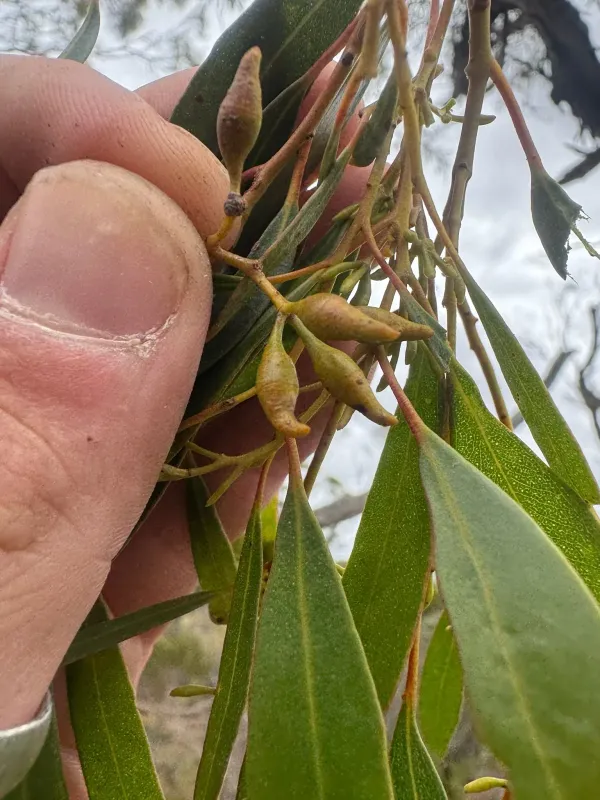
Description
Sowing dates
Propagation of Eucalyptus oleosa is typically conducted in nurseries, where seeds are germinated under controlled conditions to ensure uniform seedling quality.
Seeds require proper handling and often benefit from light scarification or stratification to enhance germination rates before being sown in greenhouse trays.
Once seedlings have established a strong root system and reached a height of about 15–20 centimeters, they are ready to be transplanted into the field.
Field planting is best performed during the onset of the growing season to take advantage of favorable moisture and temperature conditions for initial establishment.
Proper spacing between rows is essential to facilitate mechanical maintenance and future harvesting operations while reducing competition for soil resources.
Growing requirements
As a member of the Myrtaceae family, Eucalyptus oleosa is highly adapted to arid and semi-arid environments, demonstrating excellent drought tolerance.
The species performs best in well-drained, sandy or loamy soils and requires minimal water once the plants are fully established in their environment.
Full sun exposure is a critical requirement for this plant; any shading can reduce the synthesis of essential oils and overall tree development.
While the tree can grow in nutrient-poor soils, fertilization with balanced NPK formulas can significantly accelerate growth and improve leaf biomass production.
Temperature management is important for younger trees, as extreme frost can be detrimental to young foliage and tender, actively growing branches.
Yield
The primary economic output of Eucalyptus oleosa is its leaf biomass, which is harvested for industrial-scale essential oil extraction via steam distillation.
The oil derived from this species is highly valued for its quality and chemical composition, particularly its high cineole content, which is a key industry standard.
Yield is maximized through the use of coppicing techniques, where the trees are cut back to encourage the development of new, high-oil-content foliage.
Mature plantations can produce multiple harvests per year depending on the climate and the specific management practices employed by the grower.
Consistency in distillation practices is key to maintaining the high quality and market value of the essential oils extracted from the leaves.
Main diseases and pests
Fungal infections, such as leaf spots and root rots, represent the most significant threat to plantations, especially in areas with high humidity or poor soil drainage.
Various insect pests, including beetles and leaf-miners, can cause defoliation, which hampers the tree's ability to photosynthesize and produce oil effectively.
Integrated Pest Management (IPM) strategies, including biological control and careful site selection, are recommended to minimize the impact of pests.
Proper ventilation within the plantation layout is vital to prevent the spread of diseases, particularly in humid climates where fungi proliferate rapidly.
Weed control is critical during the establishment phase, as young eucalyptus trees struggle to compete with aggressive weeds for sunlight and nutrients.
Harvesting
Harvesting of the leaf biomass is usually done mechanically using specialized equipment that cuts the branches while ensuring the main trunk remains intact.
Timing the harvest is crucial to ensure that the foliage contains the highest concentration of oil, as levels can fluctuate based on seasonal growth patterns.
Once harvested, the foliage should be processed as quickly as possible to prevent the loss of volatile compounds through evaporation or premature drying.
The ability of Eucalyptus oleosa to regenerate after cutting ensures that plantations remain productive for many years, providing a sustainable source of raw material.
By-products of the distillation process, such as spent leaves, are often repurposed for biofuel or soil amendment, highlighting the plant's sustainable utility.