
Eucalyptus nutans
Eucalyptus nutans
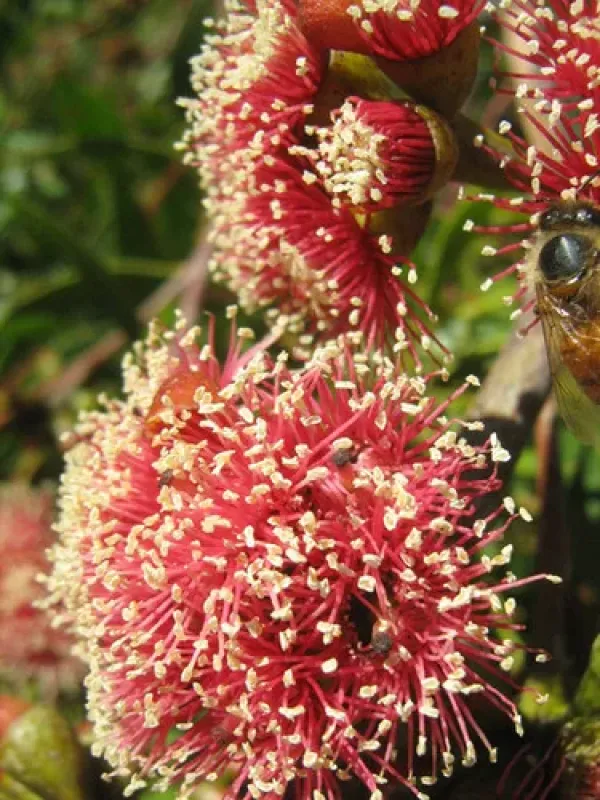
Description
Growing requirements
Eucalyptus nutans, commonly known as the Nodding Eucalyptus, is a species of the Myrtaceae family native to Western Australia. It is recognized for its unique, pendulous inflorescences and moderate growth habit, often utilized in ornamental horticulture and forestry.
The species thrives in well-drained, sandy, or gravelly soils. It displays a high tolerance to nutrient-poor substrates, which is a common trait among many species of the Eucalyptus genus, allowing it to adapt to various environmental conditions.
Climate requirements include full sun exposure and protection from severe, prolonged frosts. While it is hardy in Mediterranean-type climates, it requires a distinct dry period to maintain proper physiological development.
Water management is critical during the establishment phase. Once mature, the tree exhibits excellent drought resistance, though supplemental irrigation may be necessary in commercial plantations to maximize biomass yield.
Agronomic practices focus on maintaining soil aeration. Excessive nitrogen fertilization should be avoided as it can promote overly succulent growth that is prone to physiological damage and reduces the essential oil quality.
Main diseases and pests
The primary biotic threats to Eucalyptus nutans include fungal pathogens such as Pythium and Phytophthora, which typically attack the root system under conditions of poor soil drainage or excessive irrigation.
Insect pests, including various species of leaf-eating beetles and psyllids, can significantly affect the canopy. These pests damage the foliage, leading to reduced photosynthetic capacity and overall tree vigor.
Integrated Pest Management (IPM) is recommended for commercial operations. This includes the use of biological controls, such as predatory mites or wasps, to keep populations of leaf-sucking insects in check without relying solely on pesticides.
Environmental stress, particularly waterlogging, remains the most significant factor contributing to increased susceptibility to secondary infections. Regular scouting for early signs of leaf discoloration or wilting is vital.
Proper sanitation in the plantation involves the timely removal of infested debris and maintaining adequate spacing between trees to ensure airflow, which significantly reduces the humidity levels that favor fungal spore development.