
Eucalyptus nicholii
Eucalyptus nicholii
Description
Sowing dates
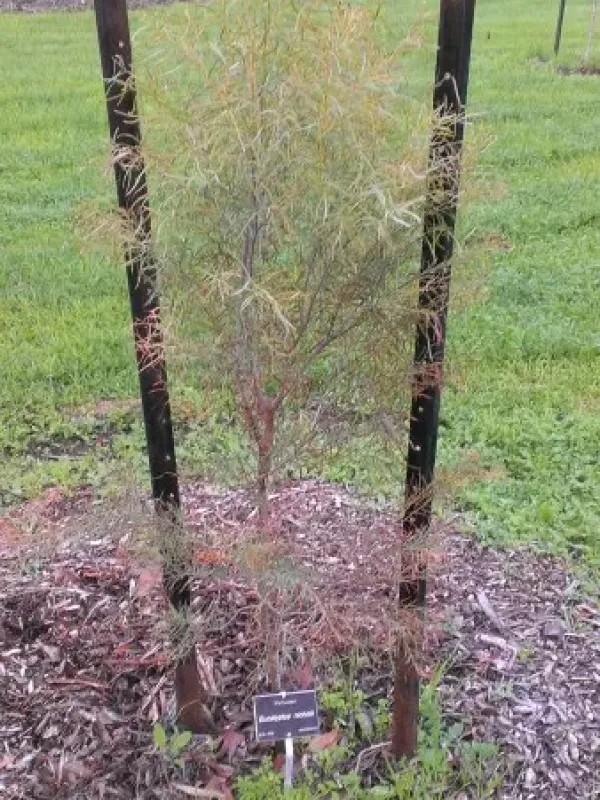
Eucalyptus nicholii, commonly known as the Narrow-leaved black peppermint, is a fast-growing evergreen tree belonging to the Myrtaceae family.
The propagation of this species is primarily achieved through seeds, which should be sown in trays during late winter or early spring.
Cold stratification of the seeds for a period of 6–8 weeks is essential for breaking dormancy and ensuring a uniform germination rate among the seeds.
The substrate must be a light, well-draining mix, typically consisting of peat moss, perlite, and coarse sand to mimic the tree's natural habitat.
Seedlings should be kept in a bright, ventilated environment and transplanted into larger pots once they reach a height of approximately 15 centimeters.
Growing requirements
Native to the Northern Tablelands of New South Wales, Australia, this tree thrives in areas with high light intensity and well-drained rocky soils.
It is moderately drought-tolerant once established but requires consistent irrigation during its initial growth phase to develop a healthy root system.
The species prefers slightly acidic to neutral soils and performs poorly in heavy clay substrates that are prone to waterlogging during rainy seasons.
While it can tolerate light frosts, prolonged exposure to sub-zero temperatures can result in significant damage to the foliage and young branches.
In landscape use, it is prized for its weeping habit, fine-textured grey-green leaves, and the aromatic essential oils that give it a refreshing scent.
Main diseases and pests
The most common pests affecting Eucalyptus nicholii are lerps and leaf beetles, which can cause severe defoliation if left uncontrolled over time.
Root rot caused by Phytophthora species is a major threat in poorly drained soils, often leading to the sudden collapse of mature trees.
Fungal infections, such as leaf spot, can appear in humid environments with poor air circulation, requiring careful pruning to improve airflow.
Integrated Pest Management (IPM) practices, including the use of biological controls and selective pruning, are recommended to maintain tree health.
Regular monitoring for early signs of insect infestations is crucial, as late-stage damage is often difficult to reverse in young or stunted plants.