
Eucalyptus moorei
Eucalyptus moorei
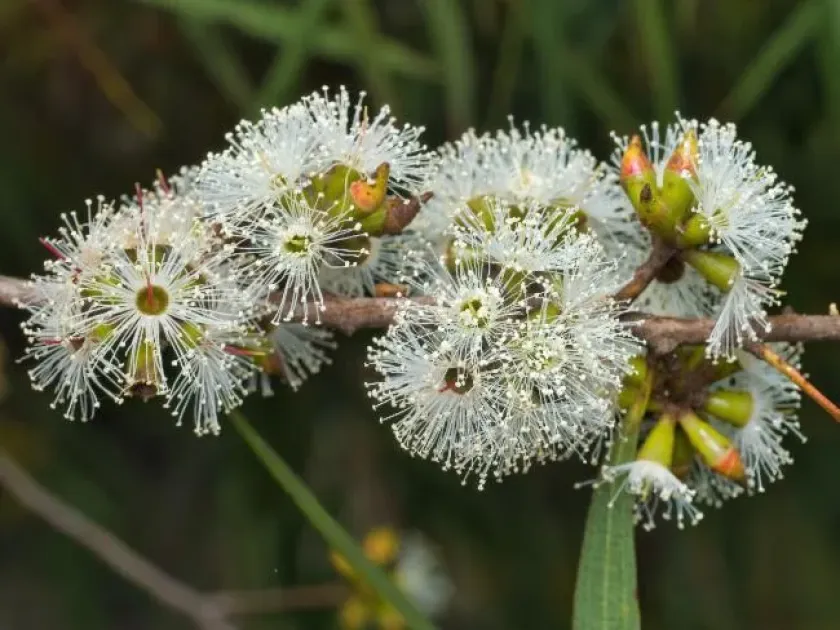
Description
Growing requirements
Eucalyptus moorei, commonly known as the Slaty Peppermint, is a woody perennial belonging to the Myrtaceae family. Native to the mountainous regions of New South Wales, Australia, this species is noted for its shrub-like growth habit and resilience.
Climatic requirements for successful cultivation include full sun exposure and well-ventilated sites. Unlike larger eucalyptus species, this plant is well-adapted to cooler highland climates and can withstand intermittent frost once it reaches maturity.
Regarding soil conditions, this plant thrives in rocky, sandy, or well-drained loamy soils. It is essential to avoid sites prone to waterlogging, as the root system of E. moorei is highly sensitive to hypoxia, which can quickly lead to plant death.
Agrotechnical practices involve careful management of young specimens, including staking to encourage vertical growth and protection from strong, desiccating winds. Irrigation should be deep but infrequent to encourage the roots to penetrate deeper into the soil profile.
In terms of economic and practical use, Eucalyptus moorei is valued primarily for its aesthetic appeal in ornamental horticulture. It is frequently utilized in rock gardens or as a specimen shrub, prized for its narrow leaves and subtle, peppermint-scented oils.
Main diseases and pests
The primary threats to Eucalyptus moorei are fungal pathogens, specifically those causing leaf spot and dieback. High humidity coupled with poor air circulation often acts as a catalyst for these infections, necessitating frequent monitoring of the canopy.
Insects such as lerps, scale insects, and psyllids can cause significant foliage damage. These pests extract sap from the leaves, leading to yellowing, stunted growth, and a reduction in the overall ornamental value of the plant.
Pest management should focus on integrated approaches, prioritizing biological control and the use of horticultural oils. Avoiding chemical over-application is recommended to maintain the ecological balance within the planting site.
Root-related diseases often stem from over-irrigation or poor drainage architecture in the garden. If soil compaction occurs, it is vital to aerate the root zone to ensure oxygen exchange and minimize the risk of opportunistic pathogens.
Environmental stress, such as extreme heat or nutritional deficiencies, can leave the plant vulnerable to secondary infections. Maintaining soil pH within an acidic range and providing balanced micronutrients helps ensure robust immunity against various threats.