
Eucalyptus mitchelliana
Eucalyptus mitchelliana
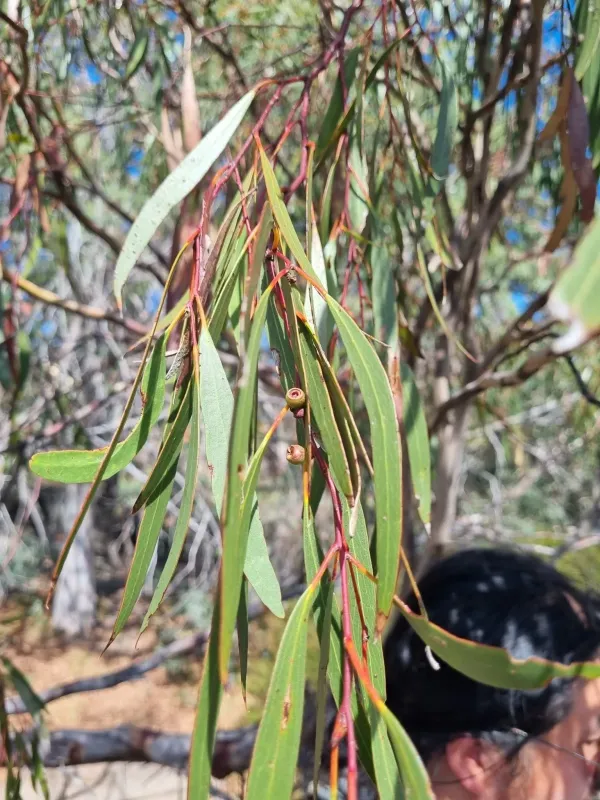
Description
Growing requirements
Eucalyptus mitchelliana, commonly referred to as the Mount Mitchell mallee, is a distinctive member of the Myrtaceae family. Native to the high plateaus of Victoria, Australia, this evergreen species is recognized for its elegant habit and adaptation to rocky, well-drained substrates.
Cultivation requirements primarily focus on soil conditions. The plant thrives in acidic, gritty, and sandy soils that prevent moisture accumulation near the root system. Proper drainage is the most critical factor for long-term health, as stagnant water is detrimental to the species.
Regarding climate, this eucalyptus variety prefers cool to temperate conditions. While it possesses moderate tolerance for frosts, it requires protection from severe winter extremes. It is best suited for sunny, exposed positions that ensure adequate airflow to promote healthy foliage growth.
Agricultural management includes precise irrigation practices; the plant must be allowed to dry out significantly between watering sessions. Fertilization should be handled carefully, as Eucalyptus species often struggle with high phosphorus levels, necessitating the use of specialized low-phosphorus fertilizers.
In terms of хозяйственного (economic) use, this plant is a staple in ornamental horticulture. Its unique sculptural qualities, characterized by peeling bark and narrow, lanceolate leaves, make it a desirable choice for rock gardens, mediterranean-style landscapes, and xeriscaping.
Main diseases and pests
The primary threats to Eucalyptus mitchelliana are fungal pathogens that proliferate in high-humidity environments. Leaf spot diseases and root rot are common complications when cultivation conditions involve poor drainage or excessive atmospheric moisture in greenhouse settings.
Insect pests also present a challenge, particularly scale insects and aphids which colonize the growing tips and stems. In indoor or conservatory environments, spider mites can become problematic if the humidity remains consistently low over extended periods.
Management of these threats involves a proactive approach. Regular inspections of the foliage and stems are essential for early detection. Pruning should be performed to improve canopy ventilation, which significantly reduces the risk of fungal proliferation within the branch structure.
Integrated pest management strategies are recommended over heavy chemical reliance. Utilizing horticultural oils or neem-based products can effectively control infestations of soft-bodied insects while minimizing environmental impact on beneficial fauna present in the garden.
Overall, maintaining the tree's vigor through optimal site selection and balanced care remains the best defense. A well-placed tree that receives enough sunlight and has sufficient space for growth will naturally exhibit higher resistance to common garden pests and diseases.