
Eucalyptus miniata
Eucalyptus miniata
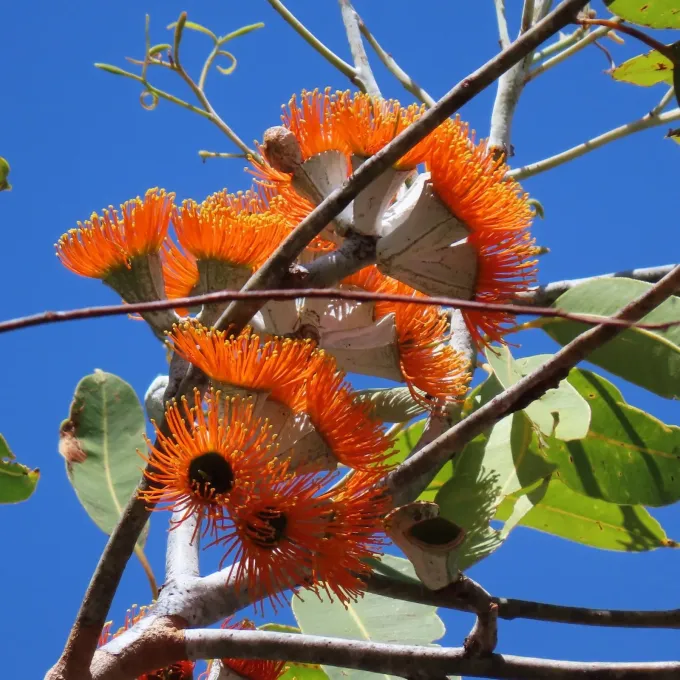
Description
Growing requirements
Eucalyptus miniata, commonly known as the woollybutt, is a resilient evergreen tree species belonging to the Myrtaceae family. It is native to the tropical regions of Northern Australia, where it thrives in savannas and open woodland areas characterized by wet and dry seasons.
The botanical structure of this species is highly specialized for survival. It features thick, fibrous, reddish-brown bark that covers the trunk, protecting the tree from fire, and large, leathery leaves that are designed to minimize transpirational water loss in harsh environments.
Regarding cultivation requirements, Eucalyptus miniata demands high levels of solar radiation and does not tolerate shaded conditions. It performs best in well-draining, nutrient-poor, sandy or skeletal soils, making it an excellent candidate for reforesting degraded tropical landscapes.
Climate adaptability is limited to tropical and subtropical regions. The species is extremely sensitive to frost and prolonged cold periods, which restrict its agricultural range to zones where temperatures remain well above freezing throughout the entire year.
From a commercial perspective, the wood of Eucalyptus miniata is highly valued for its durability, hardness, and high resistance to insect damage. These properties make it an ideal choice for rural construction, including fence posts, poles, and heavy structural timber applications.
Main diseases and pests
The most significant pathological threats to Eucalyptus miniata involve fungal pathogens that attack the root system, especially in areas with poor soil drainage. Maintaining optimal moisture levels is the most effective preventative measure against soil-borne diseases.
Insect pests, including various species of leaf-eating beetles and wood-boring larvae, can affect the growth rate and wood quality of the trees. Integrated pest management strategies, such as biological controls and proper spacing, are essential for maintaining healthy tree plantations.