
Eucalyptus michaeliana
Eucalyptus michaeliana
Description
Growing requirements
Eucalyptus michaeliana is a distinguished member of the Myrtaceae family, native to the eastern regions of Australia. This species is highly regarded in forestry for its distinctive appearance and robust wood quality.
The plant thrives in deep, fertile soils that provide excellent drainage. It requires consistent moisture levels to support its rapid growth rate, preferring climates that avoid extreme frost or prolonged heatwaves.
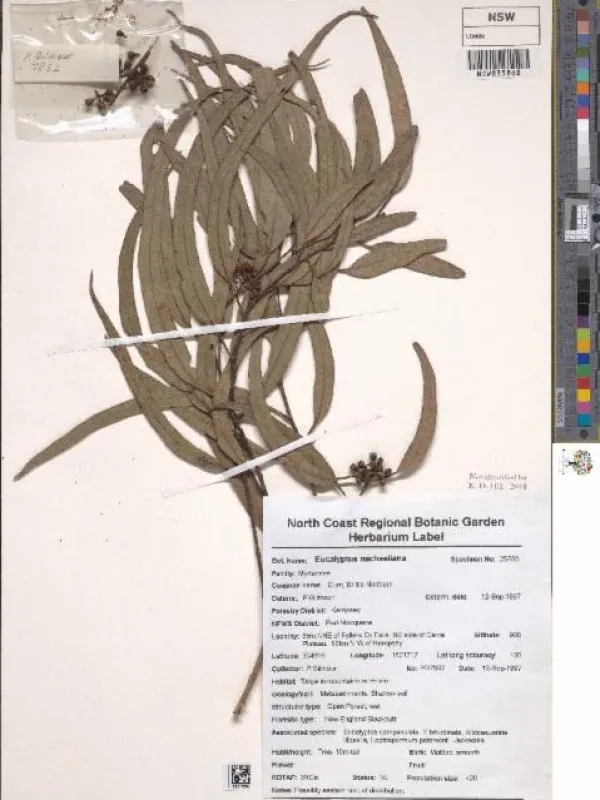
Botanically, it is identified by its smooth, shedding bark that reveals a light-colored surface beneath, and its lance-shaped leaves, which emit a characteristic aroma when crushed or during periods of high heat.
In terms of agricultural utility, this species is frequently used in timber production and high-quality landscaping projects. Its adaptability allows it to serve as both an ornamental asset and a sustainable source of biomass.
Maintenance of these trees involves systematic soil management, ensuring that nutrients are not leached away by heavy rains while keeping the surrounding area clear of invasive weeds to maximize growth potential.
Main diseases and pests
Common threats to this species include leaf-feeding insects, such as beetles and sawflies, which can significantly defoliate young trees if left unmonitored during the peak growth months.
Pathogenic fungi represent a serious risk, especially in environments where air circulation is poor, leading to the development of powdery mildew or leaf spot diseases.
Root rot is a critical concern in poorly drained soils; hence, maintaining the integrity of the soil structure is the most effective preventative measure against such issues.
Regular inspection of the bark and cambium layer is necessary to prevent infestations by wood-boring insects, which can drastically reduce the commercial value of the timber.
Integrated pest management strategies, involving both biological controls and targeted chemical treatments, are recommended to preserve the overall health and vitality of the stand.