
Bullich
Eucalyptus megacarpa
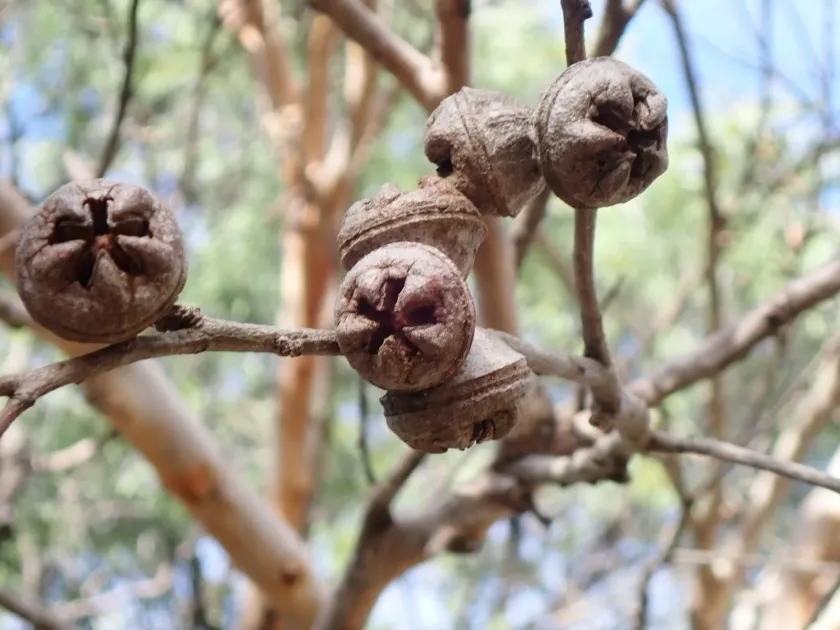
Description
Sowing dates
The propagation of Eucalyptus megacarpa is typically initiated in greenhouse environments, utilizing high-quality seeds sown in specialized nursery trays.
Maintaining a constant temperature range between 20°C and 25°C is essential for achieving optimal germination rates during the early spring period.
Seedlings are pricked out and transferred to individual containers once the first set of true leaves develops to ensure strong root system formation.
Hardening off the young plants is a crucial step to improve their resilience before they are transplanted to their final location in the field.
Proper nursery management during the sowing phase directly impacts the future survival rates and growth vigor of the eucalyptus plantations.
Growing requirements
Eucalyptus megacarpa, belonging to the Myrtaceae family, thrives in regions with a Mediterranean climate that provides both moisture and ample sunlight.
The species requires well-drained soil to avoid waterlogging, which is a common cause of poor development and root diseases in this genus.
Adequate spacing between individual trees is necessary to facilitate proper airflow and to reduce competition for nutrients and water resources.
While the tree shows adaptation to a range of soil types, it performs best in deep, fertile soils that are protected from severe frost conditions.
Consistent monitoring of soil moisture levels is required, particularly during the first few years of growth, to ensure healthy establishment.
Yield
The economic value of Bullich is primarily driven by its dense, high-quality timber, which is sought after for various structural and interior applications.
Efficient forestry management practices, such as thinning and pruning, are essential to maximize the yield of merchantable timber over the rotation period.
Besides its timber potential, the species provides ecological benefits, including habitat creation and carbon sequestration in plantation systems.
Secondary products derived from the foliage, such as essential oils, offer additional revenue streams for integrated forestry enterprises.
Sustainable harvesting techniques ensure that the plantation continues to be productive while minimizing negative impacts on the surrounding environment.
Main diseases and pests
Common pests, including various defoliating insects and wood-boring beetles, can significantly impact the health and quality of the timber if left unchecked.
Fungal pathogens associated with leaf spot and root rot often flourish in conditions where humidity is high and ventilation within the canopy is insufficient.
Implementing integrated pest management (IPM) strategies is recommended to monitor and manage potential outbreaks before they become economically damaging.
Sanitary measures, such as the removal and destruction of diseased wood, help limit the spread of pathogens throughout the plantation area.
Maintaining high biological diversity around the forest stands can help provide natural biological control against many common agricultural pests.