
Eucalyptus major
Eucalyptus major
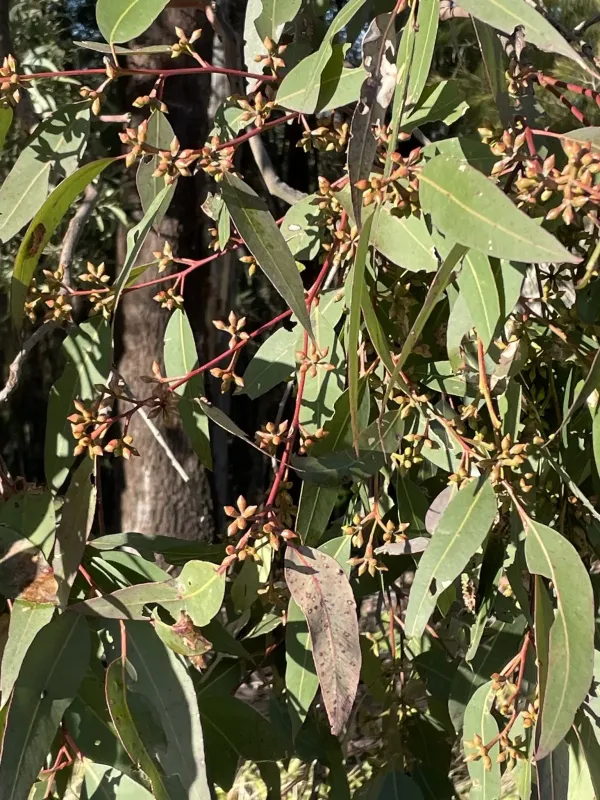
Description
Growing requirements
Eucalyptus major, commonly known as the mountain grey gum or large-leaved eucalyptus, is a member of the Myrtaceae family. It is an evergreen species native to the eastern coastal ranges of Australia, particularly flourishing in the moist forests of Queensland and New South Wales.
The species requires a climate with mild to warm temperatures and consistent rainfall throughout the year. It thrives in deep, fertile soils that provide excellent drainage, as the roots are sensitive to waterlogging, especially in clay-heavy soil structures.
Agricultural cultivation of this tree benefits from full sun exposure, which is essential for maximizing growth rates. When establishing a plantation, spacing between saplings is a key factor, as adequate airflow and light penetration significantly reduce the risk of competition and disease.
The agronomic management of Eucalyptus major involves regular weeding during the establishment phase to ensure young trees are not suppressed by ground cover. Supplemental irrigation may be necessary during the first few growing seasons to promote robust root system development.
Nutrient management is critical for high biomass yields. Balanced fertilization programs based on periodic soil testing ensure that the trees have access to sufficient nitrogen, phosphorus, and potassium, which are vital for rapid height and diameter increment.
Main diseases and pests
Pests represent a major challenge for Eucalyptus major growers. Defoliating insects, including beetles and various caterpillar species, can cause severe damage to the canopy, directly impacting the tree's photosynthetic capacity and overall vigor.
Fungal pathogens such as leaf spots and powdery mildew can occur, especially in humid and stagnant air conditions. Effective management requires maintaining adequate spacing between trees and ensuring the site selected for cultivation has good natural air movement.
Root rot, often caused by Phytophthora species, can affect plantations with poor drainage. Once established, these soil-borne pathogens are difficult to eradicate, making preventative site selection and careful water management the most effective control measures.
Integrated pest management (IPM) strategies are highly recommended to balance the use of protective chemicals with biological controls. This helps maintain the ecological integrity of the plantation while ensuring the trees reach maturity in a healthy state.
Ongoing monitoring is essential for early detection of any physiological stress or pest infestation. Agronomists often utilize scouting techniques to identify threshold levels of damage, which dictate whether intervention is required to protect the crop's commercial value.