
Eucalyptus magnificata
Eucalyptus magnificata
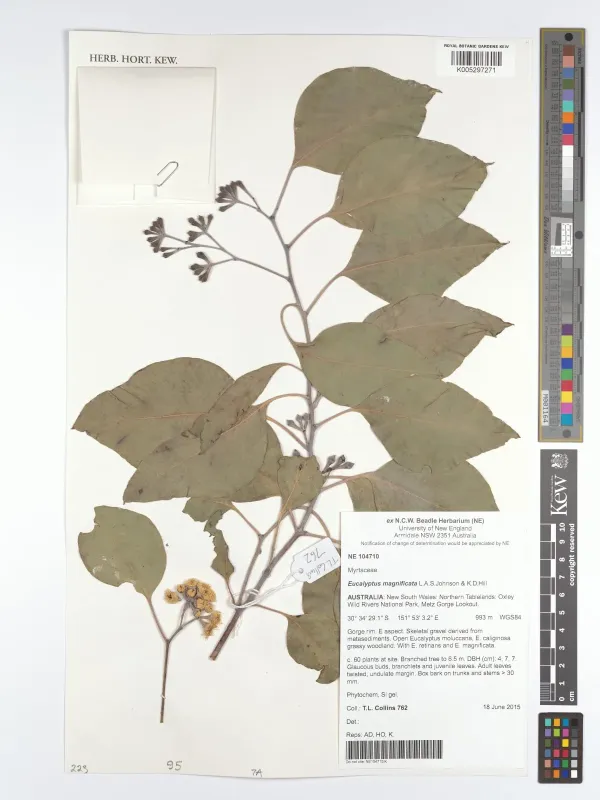
Description
Growing requirements
Eucalyptus magnificata is an evergreen tree species belonging to the Myrtaceae family. It is distinct for its robust nature and specific adaptation to the elevated, often rocky terrains found in its native Australian habitat.
The climate requirements for this species are moderate. Unlike many other tropical Eucalyptus varieties, this species is known for a degree of cold tolerance, allowing it to thrive in regions where temperature fluctuations are common.
Soil conditions play a pivotal role in the health of the tree. It prefers well-drained, porous soils. Heavy clay soils that retain excessive moisture can be detrimental, leading to root-related stress or decay.
Proper light management is essential for this species. Being a light-demanding plant, it requires full sun exposure to maintain its characteristic growth rate and to prevent the lower branches from dying back prematurely.
Economically, Eucalyptus magnificata is utilized for both timber production and the extraction of volatile oils. Its ability to grow on marginal lands makes it a valuable species for reforestation projects and sustainable forest management.
Main diseases and pests
Disease management is a key aspect of cultivating Eucalyptus magnificata. Fungal leaf spots and powdery mildew are common issues that occur when air circulation within the plantation is inadequate.
Insect pests pose a significant threat to the foliage. Eucalyptus beetles and various moth larvae are known to graze on the leaves, which can stunt tree growth if infestations remain uncontrolled.
Phytophthora root rot remains a serious threat to younger trees. Preventing the introduction of pathogens through contaminated soil or water sources is critical for maintaining a healthy and productive stand.
Environmental stress, such as prolonged drought followed by heavy rainfall, can weaken the trees and make them more susceptible to opportunistic pathogens and wood-boring insects.
Integrated pest management (IPM) practices, such as maintaining healthy soil pH and promoting biodiversity around the plantation, are recommended to naturally manage pest populations and reduce chemical reliance.