
Eucalyptus macarthurii
Eucalyptus macarthurii
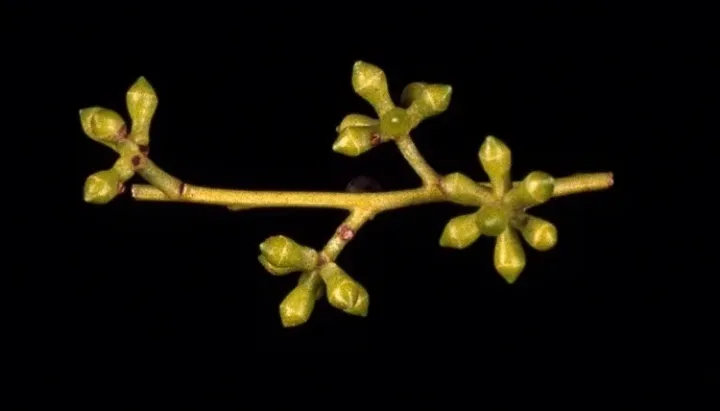
Description
Sowing dates
Sowing seeds of Eucalyptus macarthurii usually takes place in late winter or early spring in controlled greenhouse environments to ensure germination success.
The seeds require a fine, well-drained growing medium and consistent humidity to sprout effectively, often benefiting from light covering with sterile sand.
Seedlings are typically transplanted to nursery containers after they reach a height of 10-15 centimeters and show signs of vigorous root development.
Field planting timing depends on the regional climate, aiming to place the trees in the soil during a period of mild weather to establish the root system.
Initial spacing during planting is critical to manage competition for nutrients and sunlight, directly influencing the long-term growth rate of the plantation.
Growing requirements
Eucalyptus macarthurii is a member of the Myrtaceae family and thrives in temperate to subtropical zones with moderate annual rainfall requirements.
It prefers deep, fertile, and well-aerated soils with a slightly acidic to neutral pH balance, avoiding areas prone to waterlogging or heavy clay saturation.
The species is known for its relatively rapid growth habit, requiring substantial nitrogen and potassium inputs during the primary growth cycles.
Sunlight exposure is essential for this species; therefore, site selection must prioritize areas with full sun to promote dense foliage and oil production.
Protection from severe frost is necessary during the early stages of the tree's life, as young specimens are sensitive to freezing temperatures.
Yield
The primary economic value of Eucalyptus macarthurii lies in its foliage, which is harvested for the production of aromatic essential oils.
The wood of this eucalyptus species is also utilized in the timber industry, providing a stable material for various construction and furniture applications.
High yields of leaf biomass depend on consistent moisture availability and balanced soil fertility, which are managed through intensive agricultural practices.
Mature plantations can provide sustainable annual yields through selective pruning and coppicing, ensuring long-term profitability of the land.
Yield quality is highly dependent on harvesting timing, which is optimized to capture peak levels of geraniol and other volatile oil components.
Main diseases and pests
Common threats to Eucalyptus macarthurii include leaf-eating beetles and moth larvae that can cause significant damage to the photosynthetic foliage.
Fungal infections such as leaf blight and root rot can emerge if drainage is poor or if the plantation remains excessively humid for long periods.
Effective management involves regular inspections for signs of stress, such as leaf yellowing or stunted growth, which often precede major disease outbreaks.
Weed control in the early years of the plantation is vital, as competing vegetation can easily outcompete young trees for critical moisture and nutrients.
Integrated pest management strategies, utilizing beneficial insects or targeted biological controls, are preferred to maintain the chemical purity of the oil.
Harvesting
Harvesting for essential oil production involves mechanical trimming of the foliage, typically performed during the peak growing season to ensure volume.
Specialized harvesting equipment is used to achieve clean cuts, which aids in the rapid recovery of the tree and prevents potential entry points for pathogens.
Post-harvest logistics focus on rapid extraction; the leaves must be distilled promptly to prevent the loss of delicate oil compounds due to oxidation.
After the harvest, irrigation and fertilization schedules are resumed to support the trees as they flush out new vegetative growth for the following season.
Sustainable harvesting techniques ensure the longevity of the plantation, allowing for decades of productive life per individual tree stand.