
York gum
Eucalyptus loxophleba
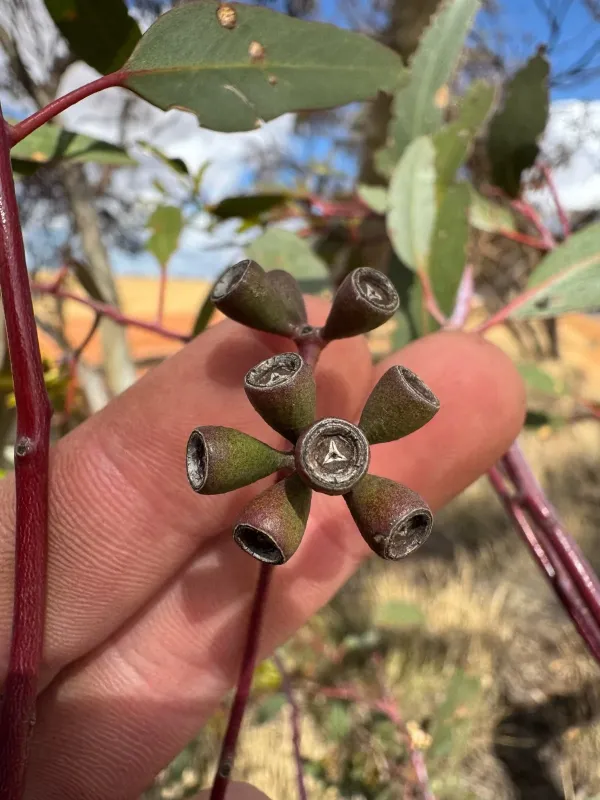
Description
Growing requirements
Eucalyptus loxophleba, commonly known as the York gum, belongs to the Myrtaceae family. It is a resilient tree species native to Western Australia, highly regarded for its ability to thrive in harsh environments and arid landscapes.
This tree naturally grows in the wheatbelt regions and is remarkably tolerant of saline soils. It plays a significant role in landscape restoration and soil stabilization, often being used to manage salt-affected agricultural land effectively.
Botanically, it features a distinctive bark that is rough and persistent on the trunk, contrasting with the smooth, shedding bark on the upper branches. The leaves are rich in volatile oils, which contribute to the species' overall adaptability and resistance to pests.
Regarding cultivation, the species requires well-drained soil and full sun exposure. It is sensitive to waterlogging, so site selection should prioritize raised or sloping ground to ensure root health and prevent oxygen deprivation in the soil.
The tree has diverse commercial applications, primarily in producing high-density timber, which is exceptionally durable and prized for construction and artisanal woodwork. Additionally, it is a valuable honey plant, supporting local apiaries during drier seasons.
Main diseases and pests
The primary threats to the species involve specialized leaf-feeding insects, such as chrysomelid beetles, which can cause significant defoliation if left unmanaged. Regular monitoring is essential to maintain tree vigor during the establishment phase.
Root pathogens and various fungal diseases can emerge if the soil remains excessively moist for extended periods. Proper site drainage and planting density are the most effective preventive measures against these common arboreal issues.