
Eucalyptus longirostrata
Eucalyptus longirostrata
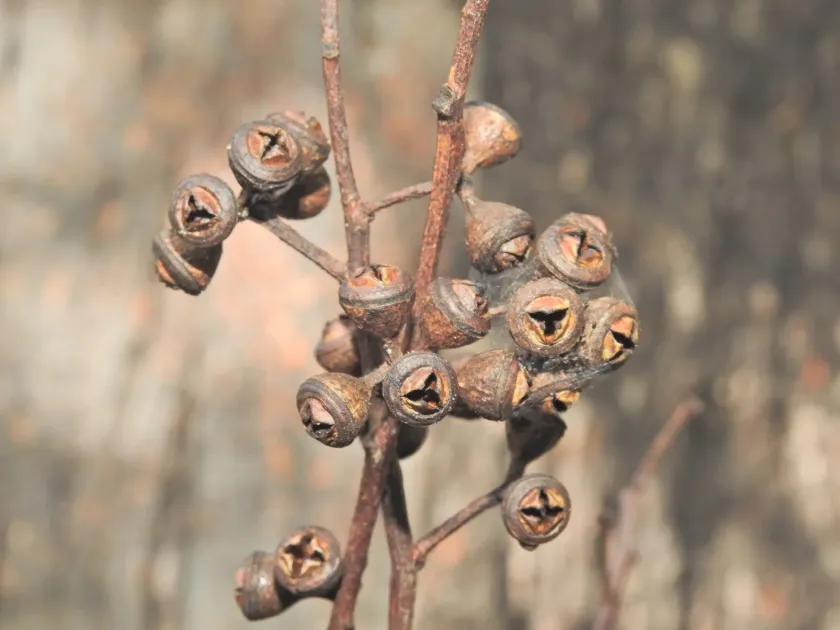
Description
Sowing dates
The propagation of Eucalyptus longirostrata is primarily performed using seedlings grown in specialized nurseries, ensuring high survival rates and uniform plantation development.
Seeds are sown in early spring or late winter in a sterile, well-draining substrate composed of peat and sand, maintaining a constant warm temperature for optimal germination.
During the nursery stage, it is crucial to provide ample natural light to prevent the seedlings from becoming etiolated, which would compromise their future structural strength.
Pricking out the seedlings into individual containers is done once the second pair of true leaves emerges, allowing the roots to develop without competition for space or nutrients.
Hardening off the saplings is a vital step before transplanting into the open field, gradually introducing the plants to external temperature fluctuations and solar radiation.
Growing requirements
As a member of the Myrtaceae family, Eucalyptus longirostrata thrives in warm, temperate to subtropical climates and requires significant solar exposure for biomass production.
The species prefers well-aerated, fertile, and deep soils; it is sensitive to waterlogged conditions, which can lead to rapid root decay and stunted development.
Regarding soil pH, the tree performs best in slightly acidic to neutral environments, avoiding overly saline or heavily calcareous soils that inhibit nutrient uptake.
Adequate moisture management is essential during the first two years of growth, especially during dry spells, to establish a robust and deep root system.
Effective forest management practices, including balanced fertilization during the primary growth phase, significantly influence the tree's final height and stem diameter.
Yield
The primary yield from Eucalyptus longirostrata is high-quality timber, used extensively in construction, flooring, and the pulp and paper industry due to its density.
Sustainable yield management involves managing stand density to ensure optimal competition-free growth, typically resulting in harvestable timber within a decade.
Beyond timber, the foliage of the species serves as a valuable resource for the essential oil industry, which is extracted via steam distillation methods.
Systematic harvesting practices, such as coppicing, can be employed depending on the regional management plan, allowing for renewed growth from the established root system.
Total biomass yield is heavily dependent on the site's climatic suitability and the rigorous application of agricultural practices throughout the tree's development cycle.
Main diseases and pests
Fungal leaf spot diseases represent a significant threat to plantation health, especially in areas where humidity remains high for extended periods, reducing canopy efficiency.
Insect pests, including defoliating beetles and borers, can damage the leaves and stems, requiring integrated pest management strategies to protect the investment.
Root rot pathogens are a persistent risk in improperly drained soils, making site selection and field preparation critical components of forestry success.
Disease control involves the application of appropriate systemic fungicides and strict sanitary measures to prevent the spread of infections between individual trees.
Monitoring for signs of stress, such as leaf discoloration or diminished growth rates, allows for early intervention, ensuring the long-term viability of the eucalyptus plantation.