
Woollybutt
Eucalyptus longifolia
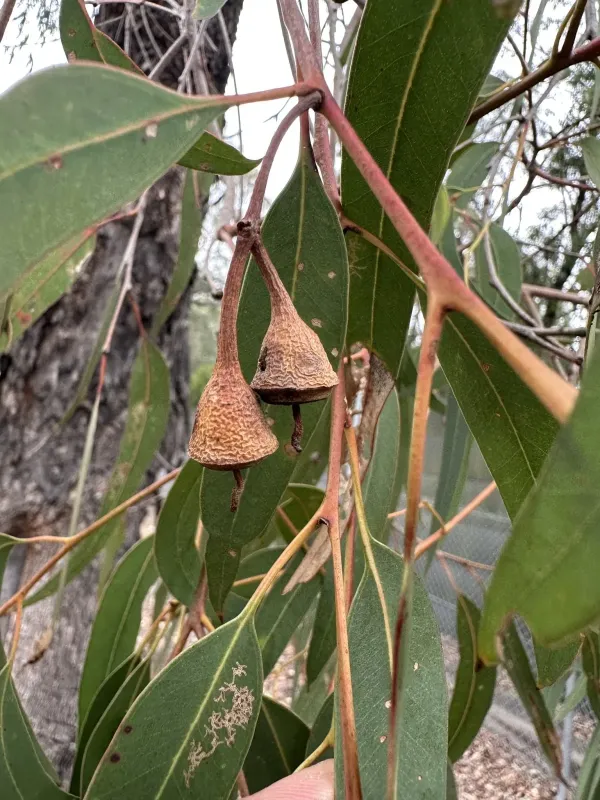
Description
Growing requirements
Eucalyptus longifolia, commonly known as Woollybutt, is a majestic evergreen tree belonging to the Myrtaceae family. It is recognized for its thick, fibrous bark that covers the trunk and provides protection against environmental stress.
The species is native to southeastern Australia, predominantly growing in coastal regions. It thrives in temperate to subtropical climates and requires significant exposure to direct sunlight to support its vigorous annual growth cycle.
For agricultural and forestry purposes, the tree prefers well-drained, fertile soil types. While it has some tolerance to a variety of conditions, waterlogging must be avoided to prevent root decay and ensure healthy development of the root system.
Climate conditions play a crucial role in cultivation, as the species is sensitive to extreme frost. Ideal sites are those with consistent temperature ranges and moderate rainfall, allowing the tree to establish its canopy before maturity.
The primary commercial use of Eucalyptus longifolia is the production of high-quality timber. Its wood is highly valued for its durability, hardness, and resistance to decay, making it suitable for heavy construction, decking, and specialized woodworking projects.
Main diseases and pests
The main pathological threats include various root rot pathogens and fungal leaf spots, often triggered by poor site drainage or stagnant air. Maintaining optimal spacing between trees is essential to mitigate the spread of these infections.
Insect pests such as leaf beetles and wood-boring larvae pose risks to plantation productivity. Effective management involves monitoring pest populations and utilizing biological control methods alongside silvicultural practices to maintain forest health.