
Eucalyptus latens
Eucalyptus latens
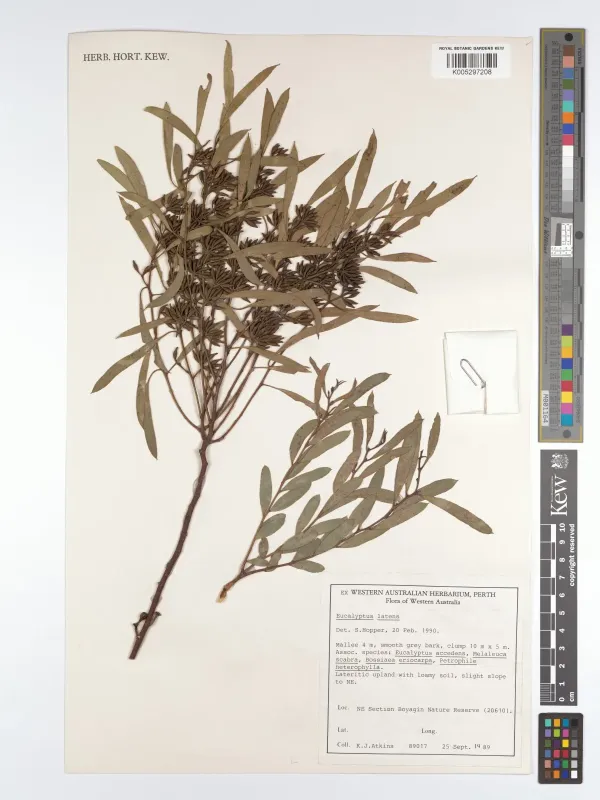
Description
Growing requirements
Eucalyptus latens is a perennial evergreen tree belonging to the Myrtaceae family. It is native to the southwestern regions of Australia, where it has evolved to thrive in specific environmental niches.
The species requires well-drained soil types, typically sandy or loam, to prevent root rot. It is highly sensitive to waterlogged conditions, making site selection based on drainage capacity essential for successful establishment.
Regarding climate, Eucalyptus latens demands plenty of solar radiation and moderate temperatures. It is not fully frost-hardy, necessitating careful site selection or greenhouse protection in colder climatic zones.
Cultural practices include consistent monitoring of soil moisture during the early stages of growth and ensuring adequate spacing between trees to promote healthy canopy development.
The tree holds significant economic value, being utilized for timber production, essential oil extraction, and ornamental landscaping purposes, reflecting its versatility as a cultivated crop.
Main diseases and pests
Eucalyptus latens is susceptible to various fungal pathogens that thrive in high-humidity environments, which can result in leaf spot diseases and branch dieback.
Insect pests, specifically leaf-eating beetles and psyllids, represent a major threat to young plantations, often requiring targeted control measures to protect the foliage.
Integrated pest management strategies, such as the introduction of beneficial insects or the use of selective organic pesticides, are recommended to maintain tree health.
Proper pruning and thinning techniques are vital for maintaining air circulation within the tree plantation, which significantly reduces the risk of widespread fungal infections.
Regular field scouting is recommended to detect early signs of infestation or disease, allowing for timely intervention and preservation of the crop yield potential.