
Silver-top stringybark
Eucalyptus laevopinea
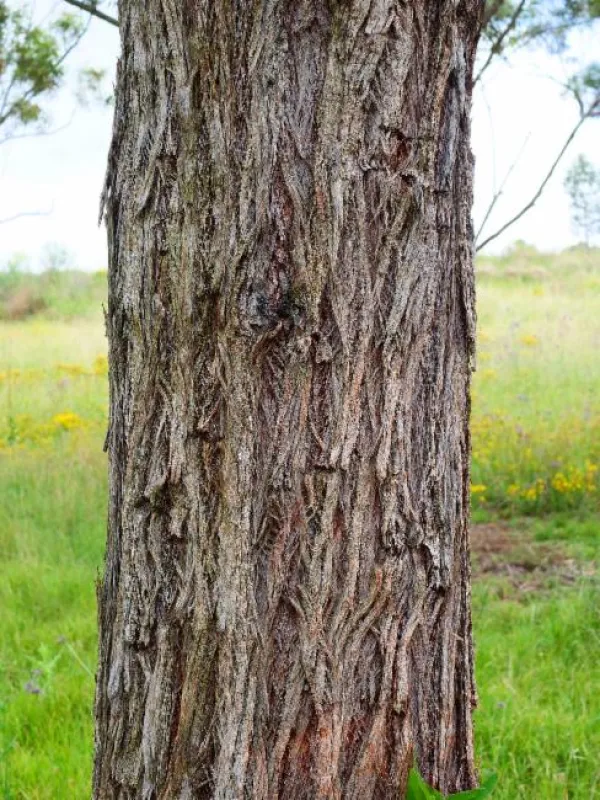
Description
Sowing dates
Sowing of Silver-top stringybark seeds in nurseries is typically performed in late winter or early spring to provide seedlings enough time for development before the main growing season.
The seeds require pre-sowing stratification to increase germination rates, as they possess a pronounced dormancy period characteristic of many Australian flora species.
Sowing is carried out in specialized substrates with good drainage and moderate acidity, avoiding excessive moisture that leads to damping-off in seedlings.
Once the seedlings reach a height of 20–30 centimeters, they are hardened off and transplanted to their permanent location in forests or plantations.
In their natural habitat, natural regeneration occurs after forest fires, which prepare the soil and trigger the release of seeds from the woody capsules.
Growing requirements
Eucalyptus laevopinea belongs to the Myrtaceae family and is a tall-growing tree reaching 40–50 meters in height under favorable conditions.
The species prefers cool temperate high-altitude regions of eastern Australia, where significant temperature fluctuations occur, including winter frosts.
For optimal growth, the tree requires deep, well-drained, yet moisture-retentive soils, typically mineral-rich loams or alluvial deposits.
The plant is light-demanding, necessitating strict adherence to planting patterns in plantations to prevent competition for sunlight and essential nutrients.
Despite its adaptability, the crop is sensitive to prolonged waterlogging, which can cause root rot and significantly inhibit biomass accumulation.
Yield
The Silver-top stringybark is primarily valued as a source of high-quality, dense timber used extensively in construction and furniture manufacturing.
Biomass growth rates depend on planting density: under intensive forestry management, plantations provide a significant yield of commercial timber after 25–40 years.
Beyond timber production, the species is of interest to the apiculture industry, serving as a honey plant that provides nectar during mass flowering periods.
Economic utility also includes the potential for essential oil extraction from foliage, although the species is rarely cultivated industrially for oil due to its chemical composition.
The economic efficiency of cultivating this species is closely tied to the production of durable timber resistant to deformation and natural decay.
Main diseases and pests
The primary threats to young plantations are pathogenic fungi, which cause leaf spots, especially during periods of high humidity.
Pests such as leaf beetles and weevils can cause significant damage by defoliating young plants, leading to severe vigor loss in seedlings.
Root rot represents a serious risk if irrigation practices are not strictly managed, making soil drainage monitoring a critical agronomic factor.
In their natural range, young trees are vulnerable to outbreaks of leaf-eating insects that become active during the warmer seasons.
- Regular inspection of seedlings for signs of fungal infestation.
- Application of insecticides during mass outbreaks of defoliating pests.
- Adherence to strict quarantine protocols when introducing seed material to new regions.