
Eucalyptus lacrimans
Eucalyptus lacrimans
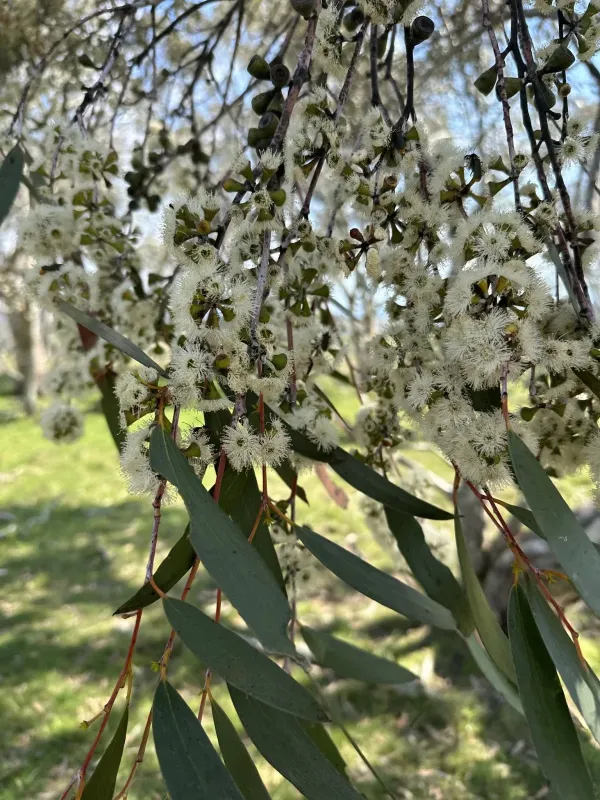
Description
Growing requirements
Eucalyptus lacrimans, commonly known as the weeping eucalyptus, is an evergreen tree belonging to the Myrtaceae family. It is native to the high-altitude, cool regions of southeastern Australia.
This species thrives in temperate climates with cool winters and consistent air moisture. Unlike many tropical eucalyptus species, it exhibits notable cold tolerance, making it suitable for cooler cultivation zones.
The plant requires well-drained, slightly acidic soil to prosper. It is highly sensitive to waterlogging, necessitating careful site selection to ensure adequate soil aeration and drainage capacity.
Botanically, the species is defined by its elegant, weeping foliage and distinctive bark. It typically grows to heights of 10 to 15 meters, forming a wide, graceful canopy in open environments.
Full sun exposure is essential for the healthy development of this tree. While established trees show resilience to brief droughts, supplemental irrigation is required during the early growth stages.
Yield
The primary economic use of Eucalyptus lacrimans is the production of durable timber, which is highly valued for its resistance to decay and structural integrity in specialized construction.
The leaves of this eucalyptus are rich in essential oils, which are harvested for use in the pharmaceutical, cosmetic, and fragrance industries globally.
In terms of agricultural land management, the species is an excellent choice for windbreaks and shelterbelts, helping to mitigate wind erosion on large exposed farmlands.
The tree serves as an important honey-producing plant, attracting pollinators and contributing to the yield of local apiaries during the flowering season.
The biomass harvested from thinning and pruning operations is also utilized in the production of high-quality cellulose for paper and sustainable packaging manufacturing.
Main diseases and pests
Fungal infections of the root system represent the most significant threat, particularly in soils where drainage is insufficient or humidity levels remain excessively high.
Pest pressure from leaf-eating insects, such as eucalyptus weevils, can lead to defoliation, which hampers the tree's photosynthetic efficiency and overall growth rate.
Weed competition is a major challenge during the establishment phase; young trees must be kept clear of competing vegetation to ensure access to essential soil nutrients.
Severe winter conditions may occasionally cause bark splitting, which creates entry points for pathogens and opportunistic pests that can compromise tree health.
Integrated pest management, including regular monitoring and the use of targeted biological controls, is highly recommended to maintain the productivity of plantation-grown trees.