
Eucalyptus kirtoniana
Eucalyptus kirtoniana
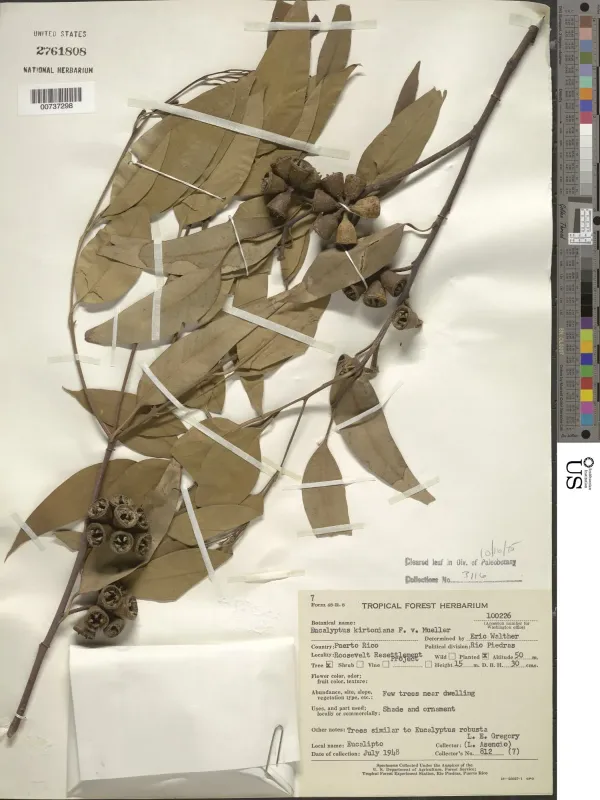
Description
Sowing dates
The propagation of Eucalyptus kirtoniana is typically initiated in nurseries during late winter or early spring to ensure robust growth before the transplanting season.
Seeds require a consistent temperature of +20°C to +25°C and high substrate humidity to achieve optimal germination rates within the protected environment.
Young seedlings should be transplanted to their permanent site only after the risk of frost has passed, ensuring they are well-acclimated to the external environment.
Acclimatization process is critical, involving gradual exposure to direct sunlight and outdoor temperatures to prevent transplant shock in young saplings.
Planting density is determined by the intended end-use of the timber, usually ranging from 1,000 to 2,500 trees per hectare for large-scale forestry operations.
Growing requirements
Eucalyptus kirtoniana belongs to the Myrtaceae family and is recognized for its rapid growth rate, making it a highly desirable species for timber production.
The tree thrives in deep, well-drained fertile soils, though it shows significant adaptability to various soil profiles provided there is no waterlogging.
Full sun exposure is mandatory for this species, as shading severely restricts vertical growth and leads to poor stem structure and development.
Optimal climatic conditions include tropical or subtropical environments with moderate to high annual rainfall patterns to support fast biomass accumulation.
- Excellent soil aeration
- Protection from high-velocity winds
- Balanced nitrogen fertilization
Yield
Eucalyptus kirtoniana is highly regarded for its exceptional biomass productivity, often outperforming other species in similar silvicultural conditions.
Harvestable logs can be produced in a relatively short rotation period of approximately 7 to 12 years under intensive management practices.
The primary use of the timber includes paper pulp production and construction materials due to its favorable physical properties and density.
Beyond wood production, the species contributes significantly to land reclamation projects and the establishment of shelterbelts in agricultural areas.
Essential oils can also be extracted from the foliage, providing an additional stream of revenue for commercial eucalyptus plantations.
Main diseases and pests
Defoliating insects, particularly weevils and leaf-eating beetles, represent the most significant threat to young plantation development.
Fungal diseases like leaf spot and root rot are common in environments with poor air circulation and excessive soil moisture content.
Invasive pests specific to Eucalyptus species require regular monitoring to prevent large-scale infestations that could compromise tree health.
Climate stress during extreme weather events can weaken the tree's natural defenses, increasing its susceptibility to secondary pathogens.
Integrated pest management, including chemical and biological controls, is essential for maintaining high tree vitality throughout the rotation cycle.
Harvesting
Harvesting is typically conducted via clear-felling once the trees reach the desired diameter and height for specific industrial requirements.
Modern mechanized logging equipment is employed to maximize efficiency, allowing for rapid processing and extraction of timber from the site.
Proper stump management is performed post-harvest to encourage coppicing, which allows for natural regeneration and future crop cycles.
Logs are debarked and sorted at the landing site to streamline the supply chain and reduce costs during transport to processing facilities.
Sustainable harvesting schedules ensure that the plantation remains productive while minimizing the impact on local ecosystem dynamics.