
Eucalyptus horistes
Eucalyptus horistes
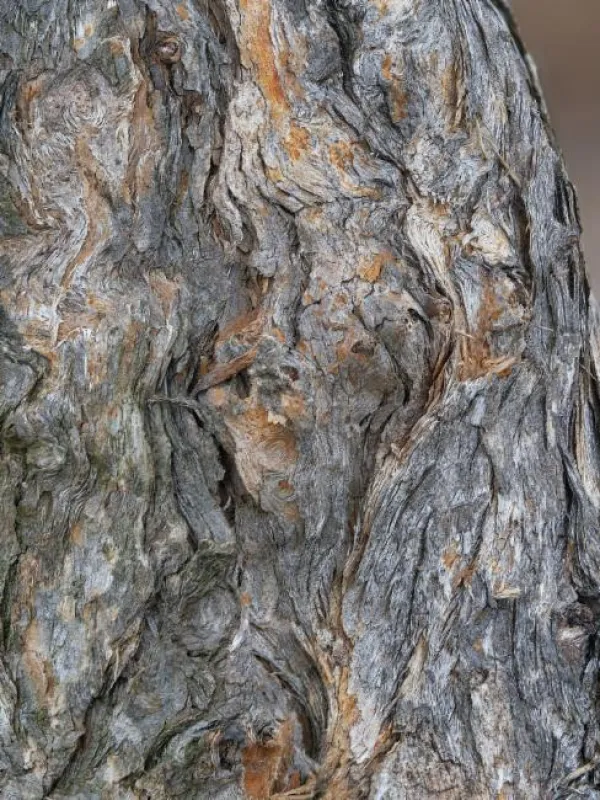
Description
Growing requirements
Eucalyptus horistes is a woody perennial belonging to the Myrtaceae family. Native to the semi-arid regions of Western Australia, this species is highly adapted to harsh, water-limited environments.
The crop thrives in well-drained, sandy, or loamy soils. It displays a remarkable resilience to extended drought periods, making it a suitable candidate for afforestation projects in arid climates where other tree species fail.
Botanically, it often develops a mallee growth habit, characterized by multiple stems rising from a lignotuber. This structural feature is an evolutionary adaptation that ensures survival following bushfires or severe dry spells.
Climate requirements include high solar radiation and warm temperatures. While the species is well-suited to its native hot climate, it requires protection from severe frost, which can cause significant damage to young shoots and leaves.
Agricultural management is relatively low-input. Once established, the plants are highly efficient at nutrient uptake, though initial weed control during the seedling stage is recommended to ensure rapid growth and survival.
Harvesting
The primary industrial use of Eucalyptus horistes is the production of essential oils extracted from the foliage. Harvesting is performed using mechanical harvesters to gather biomass for steam distillation.
The wood quality is notably high, providing durable timber suitable for various construction or craft applications. It is also an excellent source of high-energy charcoal due to its dense cellular structure.
Harvest cycles are often dictated by the chemical profile of the oil, with producers timing the cuts to match the peak synthesis of essential compounds within the leaves.
Sustainability in harvesting is maintained by allowing the plants to coppice. After the primary harvest, the root system remains viable, enabling the tree to sprout new growth for subsequent harvest cycles.
Proper storage of the harvested biomass is crucial to ensure that essential oils do not degrade before processing. Logistics should be organized to minimize the time between cutting and the extraction phase.