
Eucalyptus haemastoma
Eucalyptus haemastoma
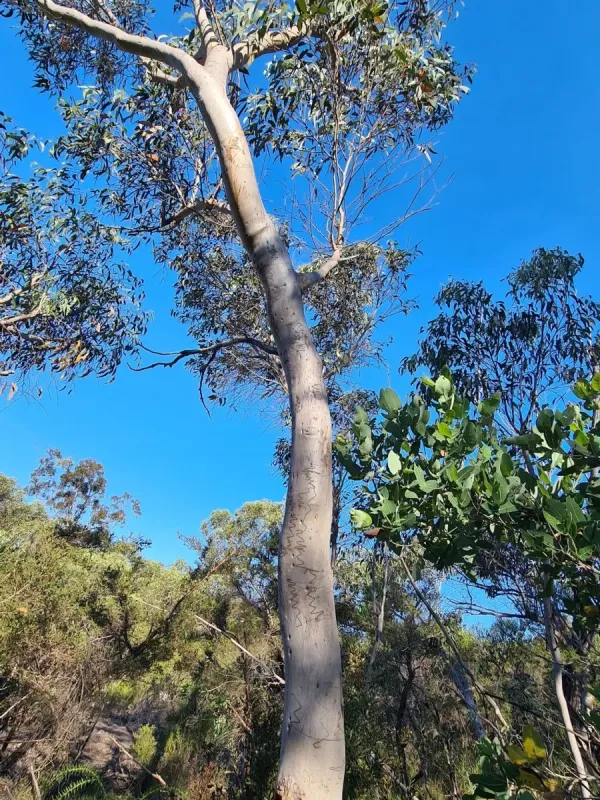
Description
Sowing dates
Sowing seeds of Eucalyptus haemastoma is typically performed in controlled greenhouse environments to ensure high germination rates. Because the seeds are minute, they should be surface-sown on a fine, moist growing medium without being buried deep.
Early spring is the optimal time for sowing, which allows the seedlings to gain enough strength and size before the main growing season begins. Maintaining a stable temperature between 20°C and 25°C is critical during the initial germination phase.
Once the seedlings develop several true leaves, they should be transplanted into individual containers to prevent root overcrowding. This stage is crucial for building a strong root structure before the final outplanting.
Outplanting in the field should only occur after the risk of frost has completely passed. The site must be well-prepared, with adequate soil loosening to ensure the young roots can penetrate the ground easily.
Spacing between plants should be carefully planned according to the desired tree canopy density. Proper spacing ensures that every tree has access to sufficient sunlight and air circulation, which are vital for healthy growth.
Growing requirements
As a member of the Myrtaceae family, Eucalyptus haemastoma is a sun-loving species that thrives in open areas. It requires full exposure to solar radiation for optimal photosynthetic performance and biomass development.
The tree prefers well-drained soil types, particularly sandy or rocky substrates. Poor drainage is the most significant limiting factor for this species, as waterlogged conditions often lead to root decay and overall plant failure.
The climate requirements include a preference for Mediterranean-like or subtropical environments with mild winters. While the mature trees can tolerate occasional light frosts, extreme cold can cause severe tissue damage to younger specimens.
Agronomic management includes routine soil aeration around the root zone to encourage gas exchange. During dry spells, supplemental irrigation is necessary to support the physiological needs of the trees.
Mulching the area around the base of the tree is a highly recommended practice to retain moisture and suppress weeds. Additionally, periodic pruning is useful to manage the crown structure and remove any dead or damaged branches.
Main diseases and pests
Leaf-eating insects, such as specific types of beetles and weevils, pose the greatest threat to Eucalyptus haemastoma plantations. Extensive herbivory can lead to significant foliage loss and slow down the growth rate of the trees.
Fungal diseases, including various leaf spots, tend to flourish in high-humidity environments with restricted air movement. Proper spacing and site selection are the best preventative measures against these pathogens.
Root rot remains a major risk if the soil remains excessively wet for long periods. Ensuring effective drainage is the primary defense against such fungal infections that affect the root system.
Regular surveillance is essential for the early detection of pest outbreaks. If biological or chemical intervention is required, it must be performed in accordance with local environmental regulations to protect the ecosystem.
Maintaining high plant vigor through proper nutrition and irrigation acts as a natural defense system. Robust trees are far more capable of resisting secondary infestations compared to those experiencing nutrient stress.