
Eucalyptus guilfoylei
Eucalyptus guilfoylei
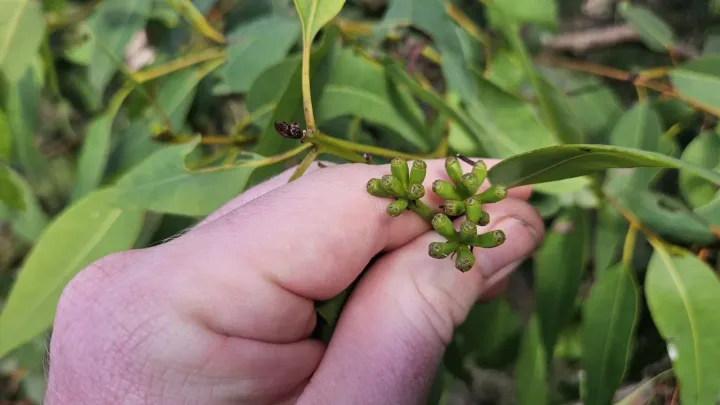
Description
Growing requirements
Eucalyptus guilfoylei, commonly known as yellow tingle, is a species of tree in the family Myrtaceae. This species is endemic to the southwestern corner of Western Australia, thriving in humid, temperate forest environments.
The tree grows in well-drained, fertile soils, often found in areas with high rainfall. It has specific moisture requirements and performs best when planted in sites that do not experience prolonged drought conditions, ensuring the tree reaches its full height potential.
Botanically, it is a tall tree reaching heights of up to 40 meters. It features a fibrous grey bark and a straight, clear trunk, which makes it highly desirable for forestry purposes. The leaves are persistent, providing year-round canopy cover.
Cultivation requires significant sunlight and careful spacing to ensure proper growth. As a large-scale timber crop, it is planted in regions that mimic its natural habitat to achieve the necessary wood density and structural integrity required for industrial use.
The economic value of this Eucalyptus species lies in its strong, durable timber. It is primarily used in high-quality furniture making, heavy construction, and flooring applications, where its density and resistance to wear are highly valued by manufacturers.
Main diseases and pests
Root rot pathogens represent the most significant threat to the health of these trees, especially in areas with poor drainage or stagnant water. Implementing proper land management and drainage systems is essential for successful plantation maintenance.
Various leaf-eating insects can impact the tree's vitality, particularly during the juvenile phase. Integrated pest management strategies are recommended to maintain foliage health and support the rapid growth necessary for timber production.
The pathogen Phytophthora cinnamomi is a major concern for Eucalyptus species in Australia. Preventing the spread of soil-borne diseases through strict quarantine protocols and the use of resistant stock is vital to the long-term success of the plantation.
Termite infestations can cause significant damage to the heartwood of mature trees, drastically reducing the marketability of the timber. Regular health checks and maintaining vigorous tree growth help in naturally deterring pest attacks.
Forest fires, while part of the natural ecosystem, can pose risks to intensive forestry operations. Managed burning practices and establishing firebreaks are standard procedures to protect investments in Eucalyptus guilfoylei timber crops.