
Gregson's Eucalyptus
Eucalyptus gregsoniana
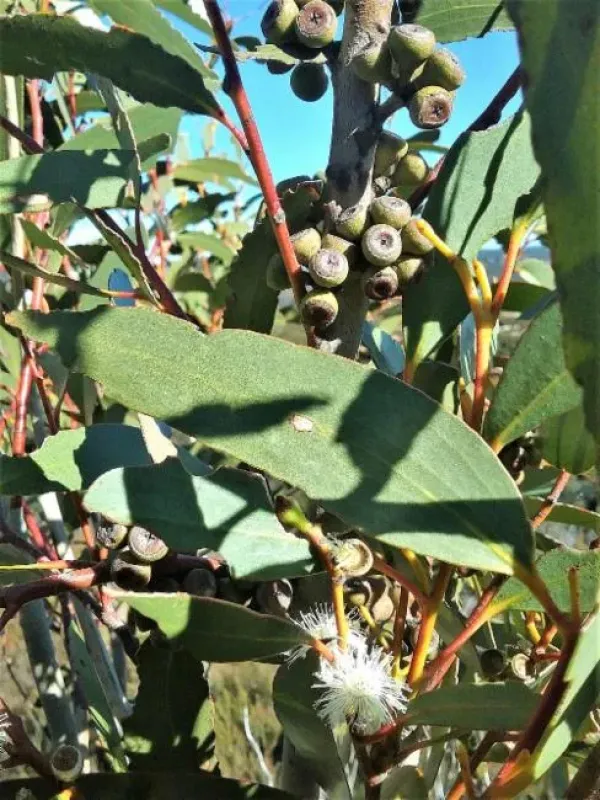
Description
Sowing dates
Sowing seeds of Eucalyptus gregsoniana requires strict adherence to temperature regimes and high air humidity. The optimal time for starting cultivation in controlled environments is early spring, which allows the seedlings to become strong before the full summer season arrives.
The seeds of this culture are characterized by high viability but are very small, so they should be sown superficially in a light, well-drained substrate. For germination, it is crucial to maintain a constant temperature in the range of 20–25 degrees Celsius.
An important stage is seed stratification, which helps overcome dormancy and significantly increases the germination percentage. Using specialized growth stimulants during the initial stages helps accelerate the development of the seedlings' root system.
After the first true leaves appear, the plants are pricked out into individual containers with nutrient-rich potting soil. Hardening of the young plants is carried out gradually to prepare them for subsequent transplanting into open ground or permanent containers.
The choice of planting site should be based on the principle of maximum insolation, as eucalyptus is extremely demanding regarding light levels. In regions with unstable climates, container gardening is preferred to allow for overwintering in sheltered conditions.
Growing requirements
Gregson's Eucalyptus belongs to the Myrtaceae family and is one of the most cold-hardy species of its genus. In its natural habitat, on the high-altitude plateaus of Australia, it has adapted to significant daily temperature fluctuations and harsh winters.
The crop prefers acidic or neutral, well-drained soils. Waterlogging in the root zone is fatal for this species, so on heavy clay soils, it is mandatory to create a drainage layer using sand or gravel.
Climate requirements involve ensuring a long growing season with moderate rainfall. Despite high frost resistance, adult plants develop better in the absence of strong, desiccating winds.
Agronomic practices include regular watering during periods of active growth, although in mature age, eucalyptus can demonstrate some resistance to short-term drought. Mulching the root zone helps retain moisture and prevents overheating of the root system.
Mineral fertilization should be done with caution, using compositions with low phosphorus content, as members of the Myrtaceae family are sensitive to its excess. Fertilization is limited to the period from late spring to mid-summer.
Main diseases and pests
The main threat to eucalyptus plantations is fungal diseases, which develop against a background of soil waterlogging and poor crown ventilation. The most common issues include types of phytophthora and root rots that affect young specimens.
Pests such as the eucalyptus weevil or scale insects can cause significant damage to leaves and young shoots. Regular visual inspection of the plants allows for timely detection of affected areas and the application of necessary biological or chemical control measures.
Improper watering regimes often lead to leaf chlorosis, which can be caused not only by a deficiency of nutrients but also by the inability to absorb them due to shifts in soil pH. Monitoring environmental acidity is a mandatory preventive measure.
In closed-ground conditions, eucalyptus can suffer from spider mite infestations, which thrive in low air humidity. Controlling them involves regular spraying of the crown with water and the application of specialized acaricides.
Infection prevention includes maintaining adequate planting distances, which ensures free air circulation between trees. Removing dead or damaged branches also minimizes the risk of spreading pathogenic organisms.