
Eucalyptus gracilis
Eucalyptus gracilis
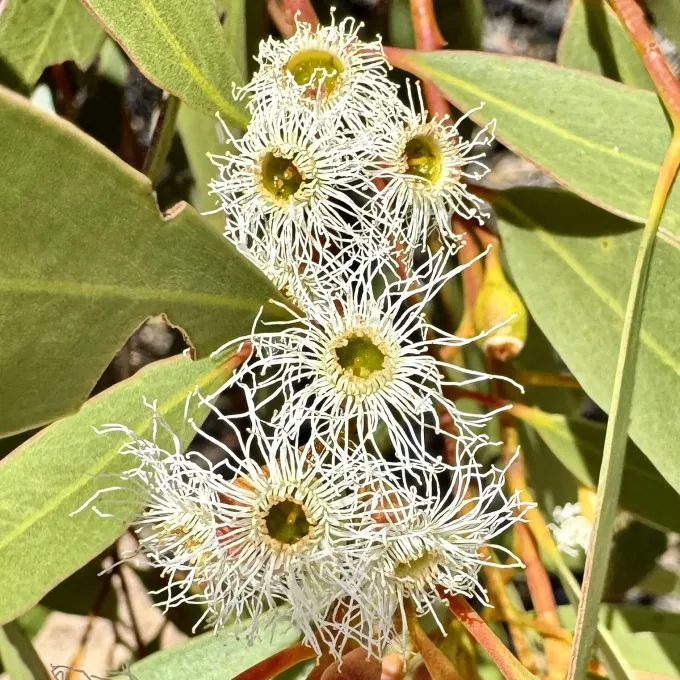
Description
Sowing dates
Eucalyptus gracilis, belonging to the Myrtaceae family, is a drought-tolerant tree native to Australia. In nursery settings, sowing is typically initiated in late winter or early spring to ensure robust seedling development before the outplanting season.
Seeds require a well-draining substrate and temperatures between 20–25 degrees Celsius to achieve optimal germination rates. Moisture management is critical, as excessive water increases the risk of damping-off disease in young seedlings.
Site preparation involves deep plowing to improve soil aeration, which facilitates the growth of the extensive root system characteristic of this species. Seedlings are transplanted into the field once the threat of frost has passed.
Spacing is adjusted based on the specific industrial goal, whether for reforestation or biomass production. Ample space is necessary to allow each tree to develop its full architectural potential.
Post-planting maintenance during the first two years is essential, involving regular weed control and occasional irrigation to ensure successful establishment in the new environment.
Growing requirements
This species is well-adapted to environments characterized by hot, dry summers and cool, mild winters. Its high drought tolerance makes it a preferred candidate for reforestation in arid and semi-arid regions.
Eucalyptus gracilis thrives in well-drained, sandy, or stony soils. It shows remarkable tolerance to saline soil conditions, allowing it to be utilized in land reclamation and restoring degraded landscapes.
Full sun exposure is mandatory for healthy development. Shaded conditions lead to spindly growth and structural weaknesses, which significantly reduce the commercial value of the timber.
The species is highly sensitive to waterlogging. Avoiding sites with stagnant water is critical, as excess soil moisture leads to root rot and rapid decline of young plantations.
While adapted to heat, young trees may require monitoring during extreme heat waves combined with drying winds to prevent physiological stress and tip dieback.
Yield
Yield is primarily measured by the total volume of timber produced or the amount of biomass harvested for oil extraction. The tree demonstrates rapid growth in the first decade, leading to efficient biomass accumulation.
Leaves are an important source of essential oils. Productivity is dependent on the management of coppice growth, where periodic harvesting stimulates the production of juvenile foliage rich in aromatic compounds.
The wood of Eucalyptus gracilis is known for its high density and durability, making it highly suitable for furniture manufacturing and high-end construction materials.
Intensive plantation management, including appropriate fertilization and spacing, can maximize wood yields per hectare, enhancing the economic viability of the operation.
The species has a high capacity for coppice regeneration. After harvesting, trees quickly regrow from existing root systems, providing sustainable future yields without the need for replanting.
Main diseases and pests
Insects such as eucalyptus weevils and leaf beetles are common pests that can cause significant defoliation, particularly in young, fast-growing trees during the spring period.
Fungal pathogens associated with high humidity, such as those causing root rot, represent a threat if soil drainage is inadequate or if ventilation is insufficient in dense stands.
Leaf spot diseases may occur in areas with prolonged high humidity. Management focuses on pruning infected materials and ensuring sufficient spacing between trees to improve airflow.
Wild animals can cause mechanical damage to the bark of younger trees, which often serves as a site for secondary infections. Protective barriers are recommended during the early growth stages.
Climate-induced stress, particularly prolonged drought coupled with heat, can weaken the trees' natural defenses, making them more susceptible to localized infestations.
Harvesting
Timber harvest involves either clear-cutting or selective harvesting, depending on the plantation management plan and the desired age of the wood for industrial application.
Leaves for oil extraction are harvested using mechanical harvesting techniques that prune the branches without harming the main trunk, allowing for rapid recovery of the canopy.
Standardized harvesting processes are implemented to ensure safety and to protect the rootstocks, which is essential for ensuring successful subsequent coppice regeneration.
The timing of the harvest is crucial to ensure the wood has reached the desired density and structural properties required for its final commercial use.
Post-harvest processing involves sorting logs for construction or processing greenery immediately to prevent the loss of volatile essential oil compounds.