
Bundy
Eucalyptus goniocalyx
Description
Growing requirements
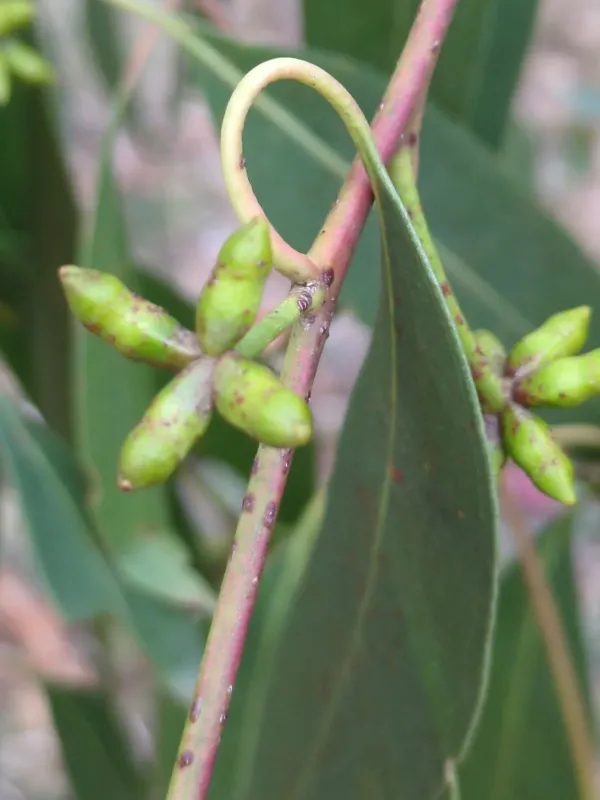
Eucalyptus goniocalyx, known in common parlance as the Bundy, is a notable member of the Myrtaceae family. It is an evergreen species characterized by its distinctive bark and long, lanceolate leaves that release a pleasant aromatic fragrance.
The native range of this species covers the southeastern regions of Australia. It has adapted to various ecological niches, showing remarkable resilience in forest environments and along rocky ridges.
In terms of agronomic requirements, this crop thrives in well-drained, slightly acidic to neutral soils. It is known for its ability to establish root systems that can penetrate deep into the substrate, allowing the tree to survive seasonal dryness.
Optimal climatic conditions include cool to temperate environments with consistent rainfall patterns. While it exhibits some tolerance to light frosts, extreme exposure to sub-zero temperatures should be avoided for young plantations.
The wood produced by the Bundy is dense and durable, making it valuable for construction, flooring, and decorative woodworking. Furthermore, the foliage contains essential oils that are sometimes harvested for commercial applications.
Main diseases and pests
The primary threats to healthy plantations include fungal diseases that affect foliage, such as leaf blight and spots, which typically flourish in stagnant, humid air conditions.
Insect pests such as leaf miners and wood-boring beetles can pose risks to the tree's health. Integrated pest management strategies are essential to protect the timber quality and ensure vigorous growth during the establishment phase.