
White stringybark
Eucalyptus globoidea
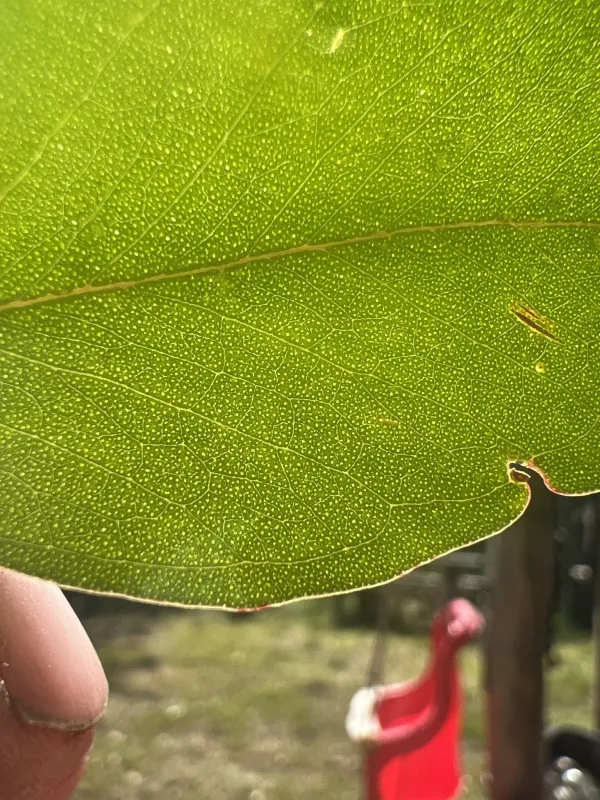
Description
Growing requirements
Eucalyptus globoidea, commonly known as the White stringybark, is an evergreen tree species belonging to the Myrtaceae family. It is characterized by its fibrous bark and medium to large stature under optimal growing conditions.
Native to the coastal regions of southeastern Australia, this species is well-adapted to maritime climates. It prefers locations where humidity levels remain consistent and temperatures rarely drop below freezing for extended periods.
Regarding soil requirements, the species flourishes in well-drained loamy soils but displays a remarkable capacity to survive in various soil types including sandy clays. Adequate drainage is crucial to prevent root rot in young plantations.
Silvicultural management focuses on establishing density that optimizes light interception. Thinning and weed management in the early stages are essential to ensure the trees reach their full growth potential without nutrient competition.
The tree serves significant economic purposes, primarily in the timber industry. Its wood is highly valued for its durability and strength, frequently utilized in construction, heavy-duty flooring, and the production of industrial components.
Main diseases and pests
Common pathological threats include various species of fungal leaf spots and root pathogens which are often triggered by excessive soil moisture or poor airflow. Maintaining proper spacing is a primary preventative measure.
Insects, such as wood-boring beetles and defoliating larvae, represent significant risks to the structural integrity and growth rate of the plantation. Integrated pest management strategies are often employed to maintain timber quality.