
Eucalyptus gillii
Eucalyptus gillii
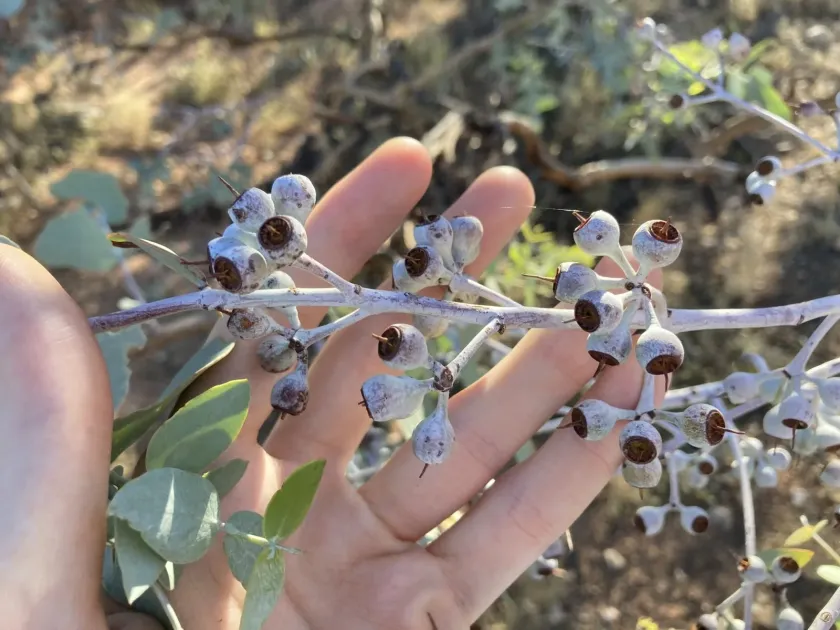
Description
Sowing dates
Propagation of Eucalyptus gillii is primarily achieved through seeds, as cuttings are notoriously difficult to root. Seeds should be sown in a well-draining mix of sand and peat during late winter or early spring to ensure the seedlings are robust before the onset of the growing season.
Germination requires a consistent temperature between 20–25 degrees Celsius. Ample light is essential during the early stages of development to prevent etiolation, where the young seedlings become weak, spindly, and prone to toppling over.
Pricking out should be carried out carefully once the first pair of true leaves appears. Eucalyptus species are known to be sensitive to root disturbance, so using peat pots or seedling trays that allow for transplanting with the root ball intact is highly recommended.
Seedlings should be moved to their permanent location only after the danger of frost has passed and the soil has warmed significantly. A period of hardening off, where plants are gradually exposed to outdoor conditions, is vital for their survival.
In terms of planting density, spacing should be tailored to the intended use. Whether planting for ornamental clusters or shelterbelts, ensuring adequate airflow between individual trees is crucial for long-term health and disease prevention.
Growing requirements
Eucalyptus gillii belongs to the Myrtaceae family and is native to the arid environments of Australia. It is highly specialized to withstand intense heat and prolonged drought, making it an excellent candidate for xeriscaping and sustainable forestry in arid zones.
This species thrives in well-drained, sandy, or rocky soils. It is particularly intolerant of waterlogged conditions, which lead to rapid root decay. Ensuring the planting site has excellent drainage is the single most important factor for its survival.
Full sun is non-negotiable for this tree. In low-light conditions, Eucalyptus gillii fails to develop its characteristic silver-grey foliage, grows poorly, and becomes structurally weak, losing the aesthetic appeal that it is often valued for.
While the tree is hardy once established, it requires protection from severe cold and freezing winds during its juvenile years. In climates with harsh winters, it is often kept in containers to allow for relocation during extreme cold snaps.
Irrigation should be minimal and focused only on young plants during their establishment phase. Once the deep root system develops, the tree becomes largely independent of supplementary watering, relying instead on natural precipitation.
Main diseases and pests
The most significant threat to Eucalyptus gillii is root rot caused by Phytophthora species, typically triggered by excessive moisture or poor soil drainage. Once symptoms of root decay become visible, the tree is often beyond recovery.
Insect pests, such as aphids and spider mites, are common nuisances that attack young growth. These pests suck the sap from tender leaves, leading to stunted growth, leaf curling, and a general decline in the tree's overall vigor.
In greenhouse settings or areas with high humidity, fungal leaf spots can occur. Maintaining good air circulation and avoiding overhead watering are effective cultural methods to mitigate these risks and keep the foliage clean and dry.
Management of these threats involves the strategic use of fungicides and horticultural oils when necessary. However, integrated pest management practices, such as removing infested plant parts early, are usually more effective and environmentally friendly.
Sanitation is a critical component of protection. Removing dead or damaged wood helps prevent the spread of pathogens, and sterilizing pruning equipment between cuts is a standard practice to prevent the cross-contamination of healthy trees.