
Eucalyptus froggattii
Eucalyptus froggattii
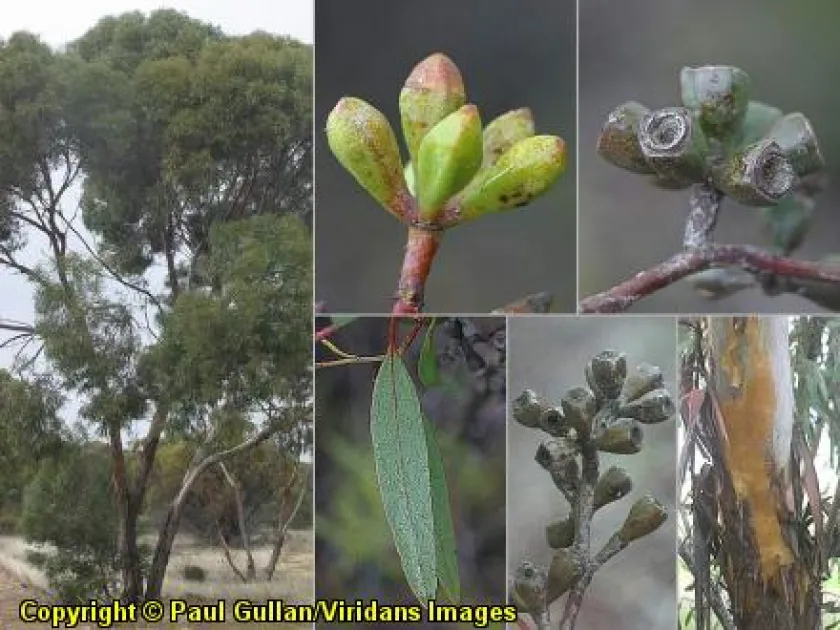
Description
Sowing dates
Propagation of Eucalyptus froggattii is primarily performed using seeds within specialized nursery environments. To obtain high-quality seedlings, seeds are sown into a prepared substrate with high peat and sand content within controlled greenhouse conditions.
The optimal time for sowing is during the spring period, as the lengthening daylight hours favor active germination. The temperature regime during this phase should be maintained between 20–25 degrees Celsius, accompanied by stable moisture levels.
Before transplantation into open soil, young seedlings must undergo a mandatory hardening process. This allows the plant to adapt to temperature fluctuations and varying light intensity, which is critical for survival in the permanent planting site.
Planting density is determined by the intended purpose of the stand, whether it is for ornamental landscaping or forest cultivation. A standard interval of 2–3 meters between seedlings is usually observed to ensure the healthy development of root systems and canopy.
Eucalyptus froggattii belongs to the Myrtaceae family and is a perennial woody plant native to arid regions of Australia. Its biological adaptations make it highly resilient to harsh environmental conditions.
Growing requirements
This crop has specific soil requirements, preferring well-drained loamy or sandy soils. A key condition for successful growth is the avoidance of waterlogging, as the root system is sensitive to excessive soil moisture.
The plant demonstrates high adaptability to climates with limited rainfall. Eucalyptus froggattii is capable of enduring prolonged drought periods, making it a promising crop for regions with semi-arid climatic conditions.
Light availability is a critical factor: the culture is heliophilic and requires direct sunlight for the development of its characteristic stem shape and foliage. In shaded environments, growth slows significantly, and the overall plant vigor declines.
Protection from strong, cold winds during the early development stage is important, as tender shoots can be easily damaged. Mature specimens possess significantly higher resistance to adverse meteorological factors.
Maintenance requirements include periodic loosening of the root zone and weed control during the first years after planting. This minimizes competition for essential nutrients and soil moisture.
Yield
The economic utilization of Eucalyptus froggattii is primarily focused on the production of high-quality timber, known for its hardness and durability. Productivity metrics depend heavily on the climatic zone and the intensity of forestry management practices.
In addition to timber, the plant is valued as a honey crop. During flowering periods, the tree attracts numerous pollinators, enabling the production of specific eucalyptus honey with unique organoleptic properties.
The foliage is rich in essential oils, making it an object of interest for the perfume and pharmaceutical industries. Biomass processing allows for the extraction of components used in antiseptic agents and aromatic compositions.
In ornamental horticulture, yield is measured by the tree's aesthetic value and its canopy growth rate. The tree is actively used in landscape design for creating windbreaks and for the greening of park areas.
The expected timber yield under optimal forest management reaches industrial capacity within 15–20 years of planting. Modern breeding methods are aimed at increasing growth rates and improving stem quality.
Main diseases and pests
Among the primary phytopathological threats to Eucalyptus froggattii are fungal infections affecting leaves and shoots. Under high humidity conditions, the development of powdery mildew may occur, requiring prompt intervention.
Pests, such as weevils and various leaf-eating insects, can cause significant damage to young foliage. Regular monitoring of the stand status allows for the timely application of protective measures.
Root rot, arising from poor irrigation management, poses a serious threat to plant health. Prevention involves maintaining optimal soil structure and effective drainage systems.
Parasitic plants may occasionally colonize the canopy, siphoning off a portion of the tree's nutrients. Control consists of sanitary pruning of affected branches and maintaining the tree's general immune system.
To prevent the spread of diseases, it is essential to use healthy, quarantine-cleared planting material. Integrated protection systems include both biological control methods and the selective use of approved fungicides.
Harvesting
Timber harvesting is conducted via clear-felling or selective logging methods, depending on the forest management plan. Timing depends on the tree achieving the required stem diameter and commercial maturity.
Essential oil raw material (leaves) harvesting can be performed mechanically during the period of maximum oil concentration in plant tissues. Typically, this occurs during active vegetation under moderately dry weather conditions.
Harvesting technology requires careful handling to preserve the integrity of the leaf's glandular tissues. Prompt drying or distillation after harvesting minimizes the loss of valuable volatile compounds.
For ornamental purposes, harvesting is limited to sanitary and formative pruning. Removing dry or damaged branches is performed annually during the dormant period to maintain the canopy's neat appearance.
Transport and primary processing of timber must be organized to prevent mechanical damage to the stem and spoilage of raw materials from precipitation before delivery to the processing facility.