
White-topped ash
Eucalyptus fraxinoides
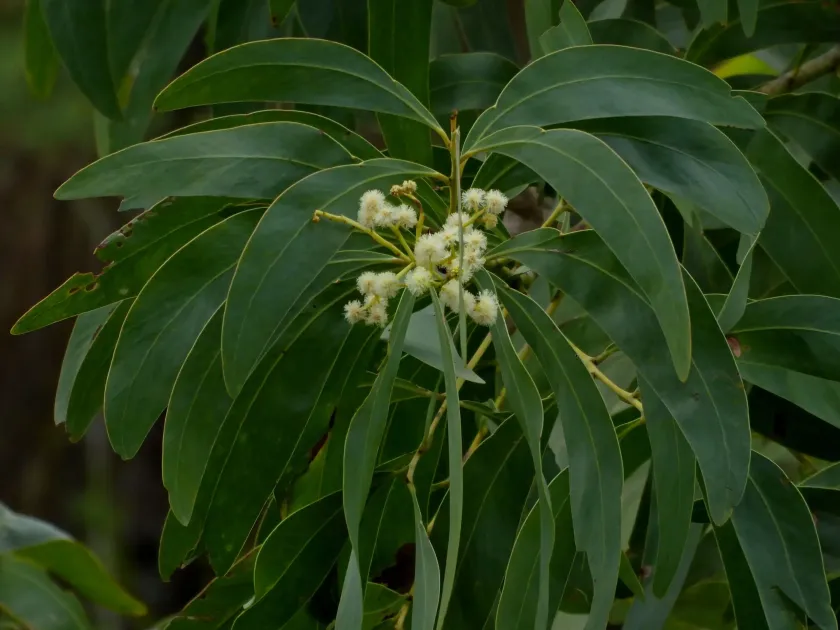
Description
Sowing dates
The propagation of Eucalyptus fraxinoides is primarily conducted through seed sowing in professional nurseries. The optimal time for germination corresponds to the onset of spring when temperature levels are conducive to growth.
Seeds are sown in a light, well-draining substrate mix consisting of sand and peat. They must not be buried deeply as they require sufficient exposure to light to trigger the germination process successfully.
Maintaining a consistent environment with moderate humidity is crucial during the initial stages. Seedlings should be protected from harsh midday sun and strong winds to prevent dehydration and physical damage.
Once seedlings reach a suitable height and have developed a strong root system, they are prepared for hardening off. This process involves gradually introducing them to outdoor conditions before final transplanting.
Transplanting to the field is ideally performed in early spring, ensuring the young trees have sufficient time to establish themselves before the onset of the hottest summer months or winter frosts.
Growing requirements
Eucalyptus fraxinoides, commonly known as the White-topped ash, belongs to the Myrtaceae family. It is a tall, evergreen tree species native to the high altitudes of New South Wales, Australia.
This culture thrives in well-drained, sandy or loamy soil types. It demonstrates a strong preference for slightly acidic to neutral soils and performs best when planted in areas with excellent drainage to prevent waterlogging.
Climate adaptability is a notable feature, though the species prefers temperate to subtropical environments. While it shows resilience to some frost, extreme cold can hinder its development and affect the quality of the timber.
Sunlight requirements for the White-topped ash are high; the tree requires a full-sun location to maintain a vigorous growth rate and to develop its characteristic straight, tall trunk structure.
Agricultural management involves monitoring soil moisture, especially during the first two years after planting. Weed control around the base of the trees is essential to prevent competition for nutrients and water.
Yield
The yield of Eucalyptus fraxinoides is primarily defined by its timber production capacity. Being a fast-growing species, it is highly valued in plantation forestry for its consistent biomass accumulation.
When managed correctly, these plantations reach harvestable maturity within a few decades. The timber is recognized for its pale color, strength, and utility in high-end construction and furniture production.
The productivity per hectare is significantly influenced by silvicultural practices such as thinning and pruning. These interventions help concentrate growth on the main stems, resulting in higher quality wood outputs.
Modern forestry assessments emphasize the economic viability of this species in diverse regions, provided that the microclimatic conditions are compatible with its natural growth cycle.
Sustainable harvesting techniques ensure that the yield remains consistent over several rotation cycles, maintaining the viability of the land for future forestry operations.
Main diseases and pests
Root rot pathogens represent the most significant threat to Eucalyptus fraxinoides in managed plantations. Over-irrigation or poorly drained sites significantly increase the vulnerability of the trees to these diseases.
Defoliating insects can cause severe damage to young foliage, impacting the photosynthesis rate and the overall vigor of the trees. Integrated pest management strategies are necessary to keep infestation levels under control.
Fungal leaf infections may occur in environments with high humidity and poor air circulation. Proper spacing between trees is a critical preventive measure to improve airflow and minimize the risk of spreading infections.
Boring insects can attack the trunks of trees that are already stressed due to environmental factors or drought. Maintaining optimal tree health is the most effective way to prevent such vulnerabilities.
Continuous monitoring by professional foresters allows for the early detection of pests and pathogens, enabling prompt interventions that protect the commercial value of the plantation.