
Forrest's mallee
Eucalyptus forrestiana
Description
Growing requirements
Forrest's mallee (Eucalyptus forrestiana) is a member of the Myrtaceae family. It is a distinct, small evergreen tree or shrub native to the arid sandy plains of Western Australia, renowned for its striking ornamental appearance.
This species thrives in full sun exposure and is highly adapted to poor, rocky, or sandy soils. It demonstrates exceptional drought tolerance, making it an excellent candidate for xeriscaping in Mediterranean climates.
Climatic requirements are specific; it prefers warm, dry conditions and does not tolerate severe frost. In colder climates, it is typically managed as a container plant, allowing for protection during winter months.
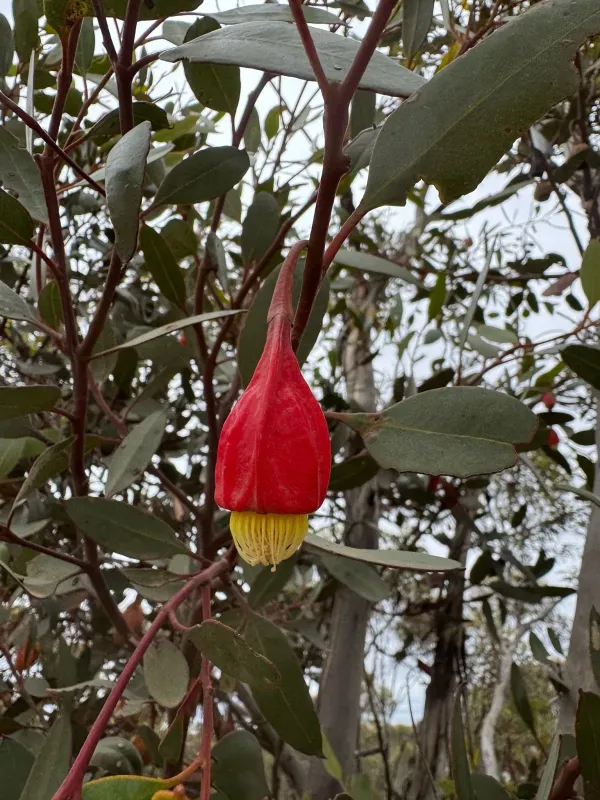
Botanically, the tree is characterized by its smooth bark and unique, pendulous, bright red buds with prominent wings, which open to reveal vibrant yellow flowers that attract local pollinators.
The primary use of this culture is ornamental, where it is highly valued as a feature tree in home gardens, parks, and dry-climate landscaping projects due to its manageable size and high aesthetic appeal.
Main diseases and pests
The most common threat to Eucalyptus forrestiana is root rot, which is almost exclusively caused by improper irrigation and poor soil drainage conditions.
Pest issues include occasional infestations of scale insects and sap-sucking pests that target new leaf growth, particularly during the transition between spring and summer.
Proper air circulation is crucial to prevent the development of leaf spot fungi, which can occur in high-humidity settings or crowded greenhouse environments.
Integrated pest management is recommended, utilizing horticultural oils and systemic insecticides only when necessary to preserve the plant's natural health.
Regular pruning of dead or diseased branches helps maintain the structural integrity of the mallee and prevents the spread of opportunistic pathogens.