
Eucalyptus foecunda
Eucalyptus foecunda
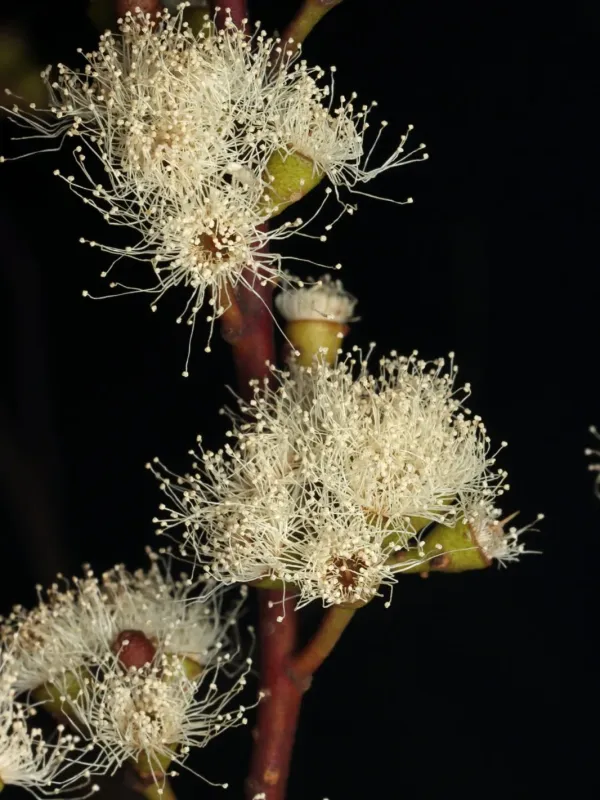
Description
Growing requirements
Eucalyptus foecunda is a resilient species belonging to the Myrtaceae family. Originally native to Western Australia, this tree has evolved to thrive in arid and semi-arid environments, making it a valuable candidate for reforestation in challenging climates.
The crop thrives in well-drained, sandy, or gravelly soils where water stagnation is absent. It is highly adapted to nutrient-poor soil conditions, often requiring minimal fertilization if the site drainage is sufficient for root health.
Climate requirements include high solar radiation and a warm, stable temperature range. While it can withstand occasional cool temperatures, it is sensitive to severe frost, which necessitates careful site selection for commercial plantations.
Agricultural management involves regular weeding around the base of young saplings to ensure that native grasses do not compete for resources. Periodic light pruning helps maintain a healthy structure and promotes optimal vertical growth of the main stem.
Economic applications of the species are diverse, ranging from timber production to the essential oil industry. The aromatic foliage is harvested for its chemical compounds, while the dense wood is utilized in various construction and craft sectors.
Main diseases and pests
Fungal pathogens represent the primary threat to plantation health, especially in areas where humidity levels rise unexpectedly. Maintaining proper tree spacing is essential to ensure adequate airflow and reduce the incidence of leaf spots.
Insect pests, including various beetles and sap-sucking insects, may colonize the canopy if trees are under nutritional or water stress. Implementation of proactive integrated pest management strategies helps maintain the overall vitality of the crop.