
Rusty gum
Eucalyptus ferruginea
Description
Growing requirements
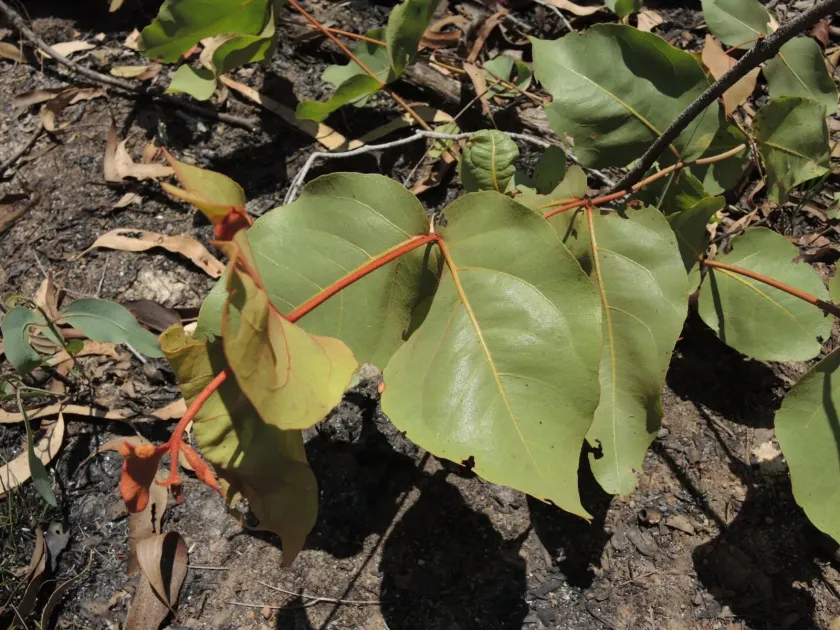
Rusty gum (Eucalyptus ferruginea) is a distinct species within the Myrtaceae family, native to the tropical regions of northern Australia. Its name is derived from the characteristic rusty-colored hairs that cover its young branches, leaves, and buds.
The plant thrives in well-drained sandy or stony soils, which are typical of its natural savanna habitat. It is a hardy species that can tolerate nutrient-poor soils, making it an excellent candidate for reforestation projects on degraded lands.
As a light-demanding species, the Rusty gum requires full exposure to sunlight for optimal growth. Providing adequate spacing between seedlings is essential to ensure that every individual tree has sufficient access to sunlight and airflow to develop a healthy canopy.
Climatic requirements for this species are strictly tropical. It cannot survive frost and requires warm temperatures throughout the year to maintain its biological processes, preventing it from being grown in temperate regions.
Regarding water, while the species is drought-tolerant once established, it requires consistent moisture during the early seedling stages to develop a strong root system. Proper site preparation before planting is key to the long-term success of the plantation.
Harvesting
The economic utility of Eucalyptus ferruginea is primarily focused on timber production and essential oil extraction. Timber is highly valued in its native range due to its inherent resistance to termites and rot, which is crucial for outdoor construction.
Harvesting operations for timber are generally scheduled based on the tree's growth rate and density targets. Modern forestry practices employ selective logging to ensure that the surrounding ecosystem remains intact and productive over the long term.
For the extraction of essential oils, leaves are harvested during the dry season, as this period typically coincides with higher concentrations of active compounds within the foliage. The collection method involves careful trimming to encourage regrowth.
The species possesses excellent coppicing ability, meaning it can regenerate from the stump after being cut. This trait allows growers to harvest the wood multiple times without the need to replant, which significantly increases the economic efficiency of the operation.
Post-harvest management is an integral part of the cycle. Ensuring that the remaining biomass is handled properly helps in restoring soil nutrients, which sustains the health of the next rotation of trees in the plantation.