
Eucalyptus exserta
Eucalyptus exserta
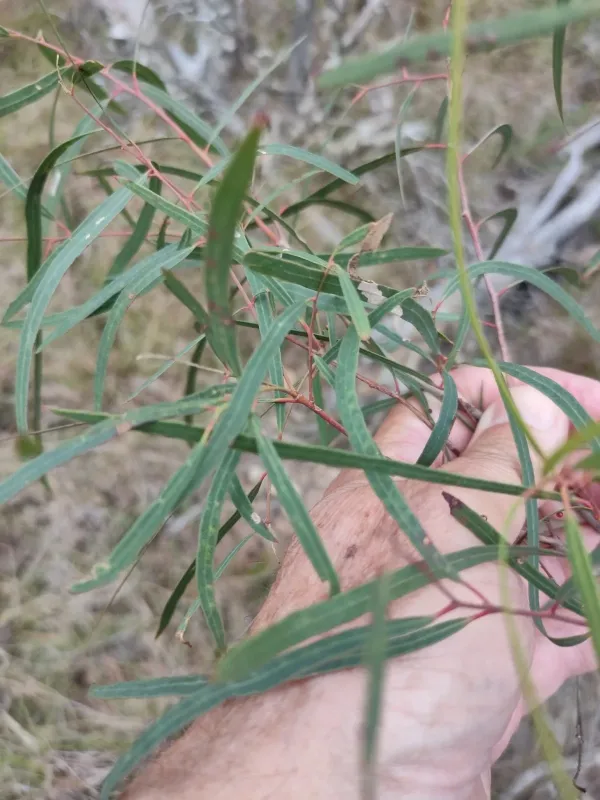
Description
Sowing dates
Propagation of Eucalyptus exserta is primarily carried out through seeds, which require careful handling due to their small size.
Seeds should be sown in a sterile, well-draining seed starting mix to prevent damping-off, a common issue in seedling development.
Maintaining a consistent temperature around 22–24 degrees Celsius is critical for uniform germination within the first two weeks.
Once true leaves appear, seedlings must be thinned out to allow adequate airflow and prevent the development of weak, spindly stems.
Gradual acclimatization to outdoor conditions is necessary for several weeks before the final transplanting into the field.
Growing requirements
As a member of the Myrtaceae family, this species is naturally adapted to regions with mild climates and distinct seasonal patterns.
It thrives in well-aerated, slightly acidic to neutral soils that provide good drainage, avoiding any long-term waterlogging.
The tree prefers full sun exposure, which is essential for maximizing growth rates and ensuring healthy development of the foliage.
While somewhat drought-tolerant once established, regular irrigation during the initial years of growth significantly improves survival rates.
Protection from severe frost is required, as young trees are particularly vulnerable to sub-zero temperatures and icy wind conditions.
Yield
The wood of Eucalyptus exserta is prized for its density and high durability, making it suitable for heavy-duty timber and tool handles.
Industrial production also focuses on the leaves, which contain aromatic compounds harvested for the essential oil industry.
The species is known for its relatively fast growth, which allows for efficient biomass production in managed plantation settings.
Yield metrics for timber are typically measured in volume per hectare, depending on the rotation period of the plantation site.
Sustainable harvesting practices ensure that the site remains productive for subsequent planting cycles, balancing yield with ecological health.
Main diseases and pests
Fungal pathogens represent a major threat, particularly in plantation environments characterized by poor air circulation or excessive moisture.
Root rot caused by waterlogging is a primary concern, often leading to rapid decline and mortality if not addressed through soil management.
Insects such as leaf miners and wood-boring beetles can cause significant localized damage, impacting the overall tree vigor.
Integrated pest management strategies are essential to keep infestation levels below the threshold of economic loss for the crop.
Regular monitoring of the forest stand allows for early detection of potential disease outbreaks, enabling prompt preventative action.
Harvesting
Timber harvesting involves systematic logging operations aimed at maximizing the quality and quantity of the extracted raw material.
Leaf harvesting for oils requires specific timing to capture the peak concentration of essential compounds within the plant tissue.
Machinery used during harvest must be properly maintained to provide clean cuts, facilitating faster recovery and reduced pathogen risk.
Post-harvest logistics focus on the rapid transport of fresh foliage to processing facilities to prevent degradation of volatile oils.
Management of harvest residues is a key component of the overall operation, ensuring the field is prepared for future management tasks.