
Eucalyptus eugenioides
Eucalyptus eugenioides
Description
Growing requirements
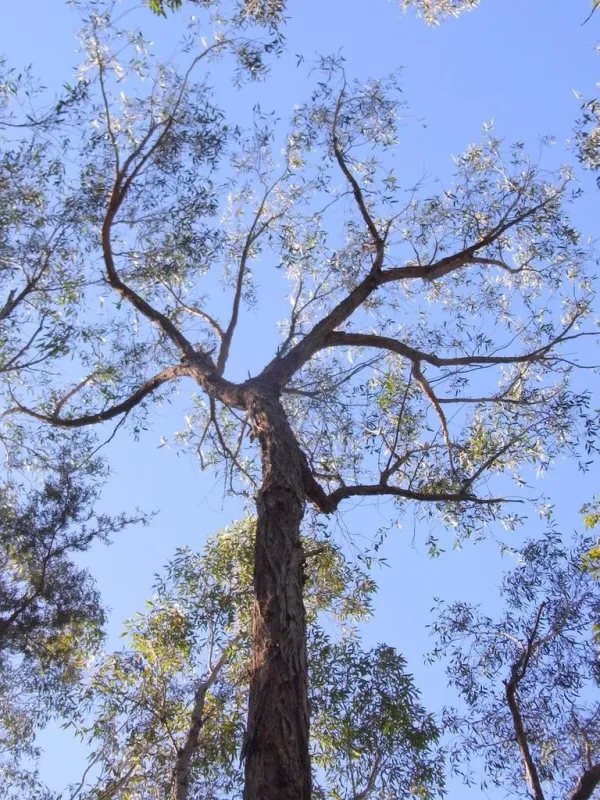
Eucalyptus eugenioides, commonly known as white stringybark, belongs to the Myrtaceae family. It is a tall evergreen tree species native to the coastal regions and tablelands of eastern Australia, recognized for its fibrous, stringy bark.
The cultivation of this species requires well-drained, deep, and fertile soils to achieve optimal growth rates. It prefers locations with sufficient sunshine and does not perform well in waterlogged or swampy conditions, which can lead to root system decay.
Climatic requirements involve moderate to warm temperatures, as the species is susceptible to severe frost damage, particularly during the juvenile stage. Providing protection from extreme cold is essential for establishing a healthy plantation.
In terms of silviculture, the tree requires consistent moisture during its initial growth years to establish a deep root system. Once mature, it shows remarkable resilience to short dry spells, making it adaptable to varied environmental conditions.
The economic value of Eucalyptus eugenioides lies primarily in its high-quality, durable timber, which is extensively used for construction, fencing, and poles. Additionally, the leaves contain essential oils used in commercial applications.
Main diseases and pests
Plantations of Eucalyptus eugenioides are prone to various leaf-feeding insects, including beetles and caterpillars, which can reduce photosynthetic activity. Regular scouting is required to prevent widespread damage across the site.
Fungal pathogens causing leaf spot or stem cankers can emerge if the trees are stressed by improper environmental conditions or poor air circulation. Proper spacing between trees is a key management strategy to mitigate these risks.
Wood-boring insects present a significant threat to timber quality, as their galleries penetrate the trunk and reduce the structural integrity of the wood. Integrated pest management practices, including biological control, are recommended.
Weed competition in the early years is a major obstacle for growth, as invasive plants compete for vital soil nutrients and moisture. Mechanical or chemical weed control is necessary to support early development.
Sanitation is a vital aspect of pest management. Removing dead wood or debris within the plantation reduces the habitat for potential pathogens, ensuring the long-term health and productivity of the eucalyptus stand.