
Eucalyptus dumosa
Eucalyptus dumosa
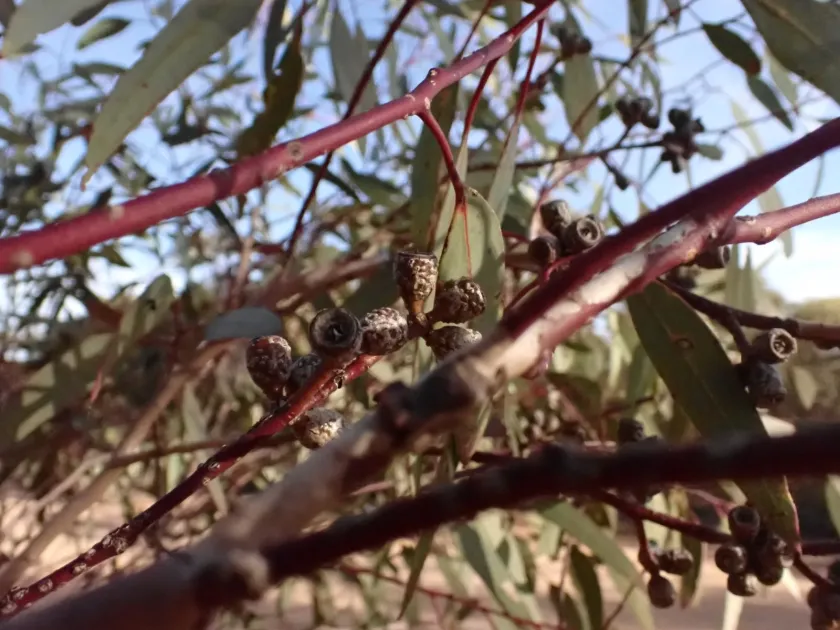
Description
Sowing dates
Eucalyptus dumosa, a member of the Myrtaceae family, is typically propagated through seeds which benefit from cold stratification to improve germination rates significantly.
Seeds should be sown in trays filled with a well-draining, sterile potting mix, maintaining a constant ambient temperature of 20–25 degrees Celsius for optimal results.
Once seedlings have developed their first true leaves and reached a height of about 15 centimeters, they must be hardened off before transplanting into outdoor conditions.
Proper spacing is essential to ensure that each shrub has enough airflow, which prevents the development of fungal diseases as the plants begin to mature.
Direct seeding in the field is possible in warmer climates, provided that moisture levels are carefully managed during the sensitive germination phase.
Growing requirements
As a classic representative of the Australian mallee vegetation, this species is highly adapted to semi-arid climates and thrives in full sun exposure.
Eucalyptus dumosa is remarkably drought-tolerant, utilizing its woody root structure to access water deep within the soil profile during extended dry spells.
The plant demonstrates high adaptability to various soil types, ranging from sandy loams to calcareous and nutrient-poor soils, provided they are not waterlogged.
Excellent soil drainage is the most critical requirement for successful cultivation, as the roots are highly susceptible to rot in stagnant moisture conditions.
While mature plants can tolerate light frosts, young specimens require protection in colder zones to prevent tissue damage and ensure long-term survival.
Yield
The primary economic value of this culture is the biomass of leaves and young stems, which serve as a rich source of cineole-based essential oils.
Yield efficiency is heavily influenced by the age of the plantation, the irrigation schedule during the growing season, and the effectiveness of pruning cycles.
Regular coppicing or pruning of the shrub helps stimulate the growth of new shoots, which are richer in essential oils than older, woody tissues.
Under managed plantation conditions, sustainable harvests can be achieved every few years, ensuring a continuous supply for the pharmaceutical industry.
Modern extraction techniques, such as steam distillation, allow for high-purity oil recovery, maximizing the profitability of the biomass harvested from the site.
Main diseases and pests
Pathogenic threats include various root and leaf fungal infections that often emerge if the plantation lacks proper air circulation or experiences excessive humidity.
Insect pests, including defoliating beetles and spider mites, can pose significant challenges, particularly during the hot and dry seasons when plants are stressed.
Weed control is vital during the early establishment phase to prevent competition for limited soil nutrients and moisture between the shrubs and invasive grasses.
Implementing integrated pest management (IPM) strategies, including biological control agents, is recommended to keep pest populations below the economic injury level.
Sanitation practices, such as the removal and destruction of diseased plant parts, are fundamental to preventing the spread of localized outbreaks within the field.
Harvesting
Harvesting involves the strategic trimming of stems, an operation that should be performed carefully to maintain the health and vigor of the root system.
The timing of the harvest is critical and should be aligned with the period of peak essential oil concentration to ensure maximum commercial quality.
Efficient handling post-harvest is necessary; the biomass must be transported to the processing facility quickly to prevent the loss of volatile compounds.
Properly dried or processed foliage maintains its chemical integrity, which is essential for meeting the strict requirements of cosmetic and medical buyers.
Mechanization of the harvest process significantly reduces manual labor costs and allows for larger-scale operations on commercial eucalyptus plantations.