
Eucalyptus drepanophylla
Eucalyptus drepanophylla
Description
Growing requirements
Eucalyptus drepanophylla, commonly known as a type of grey ironbark, is a prominent member of the Myrtaceae family. It is a robust evergreen tree species characterized by its dark, deeply furrowed bark and distinctive sickle-shaped foliage.
The tree is native to the coastal regions of Queensland, Australia. It thrives in diverse environmental settings, ranging from grassy woodlands to more structured forests, provided the soil remains well-aerated and free of prolonged waterlogging.
In terms of climatic needs, this species prefers warm to subtropical environments with moderate rainfall. It is well-adapted to high heat and temporary moisture deficits, making it a reliable species for reforestation projects in arid regions.
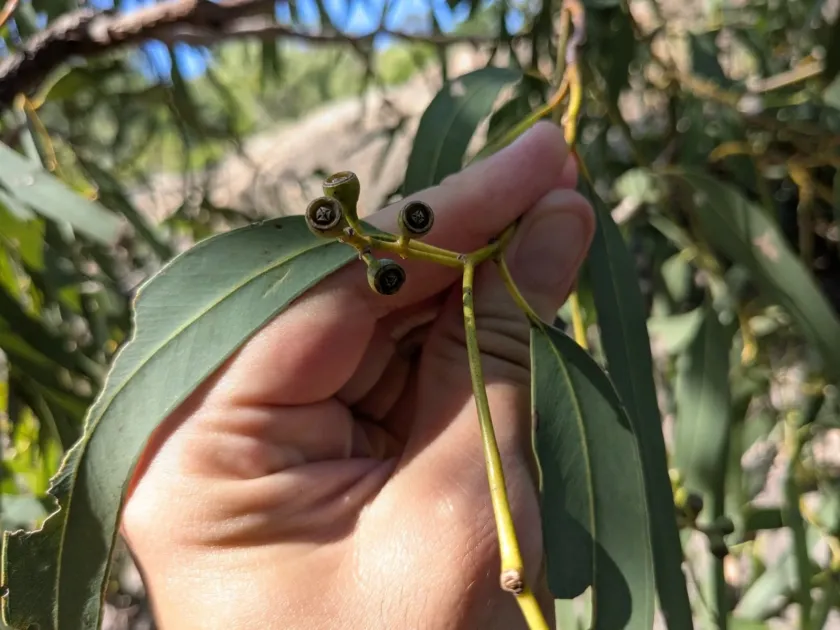
Botanically, it features leathery, grayish-green lanceolate leaves and white inflorescences that attract various pollinators. The wood of this species is highly valued for its durability, hardness, and resistance to decay, making it a staple in heavy construction.
Economically, the species is widely used for timber production, serving purposes such as railway sleepers, fence posts, and heavy-duty structural beams. It is also an important component of agroforestry systems aimed at soil stabilization and windbreaks.
Main diseases and pests
The primary threats to Eucalyptus drepanophylla plantations include defoliating beetles and borers that target the sapwood. Monitoring for fungal pathogens is essential in nurseries, as seedling damping-off can occur under poor ventilation.