
Eucalyptus dives
Eucalyptus dives
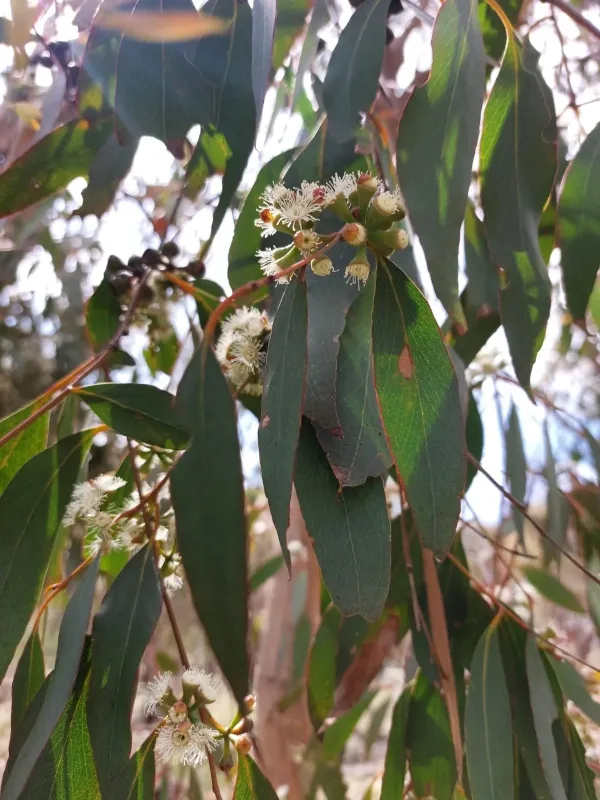
Description
Growing requirements
Eucalyptus dives, commonly known as the broad-leaved peppermint, belongs to the Myrtaceae family. This evergreen species is native to south-eastern Australia, where it naturally inhabits mountainous areas and well-drained slopes.
The plant thrives in regions with a temperate climate, requiring plenty of sunlight and protection from severe frosts. It is sensitive to extreme temperature drops, which can damage the foliage and impede the production of essential oils.
Soil requirements for Eucalyptus dives include well-aerated, sandy or loamy soils with a slightly acidic to neutral pH. Proper drainage is essential, as the roots are highly susceptible to rot if water accumulates in the planting area.
In terms of agricultural management, regular moisture is necessary for young saplings to establish deep root systems. Mature trees show moderate drought tolerance, but optimal essential oil yields are achieved when the plant has sufficient access to water during the growing season.
The primary economic application of this crop is the extraction of its essential oil, which is rich in piperitone. This oil is extensively used in the pharmaceutical, fragrance, and food flavoring industries, making it a valuable specialty crop.
Main diseases and pests
Insect pests, particularly leaf-eating beetles and weevils, represent the most significant threat to Eucalyptus dives plantations. These pests can rapidly defoliate trees, significantly reducing the biomass available for harvesting essential oils.
Fungal diseases, such as leaf spot and various forms of blight, often develop in environments with poor air circulation or excessive ambient humidity. Implementing wide planting spacing and regular pruning are effective preventative measures against these pathogens.
Root rot, often caused by Phytophthora species, is a major concern when the soil remains waterlogged for prolonged periods. Maintaining adequate soil structure and avoiding stagnant water are critical steps in managing the long-term health of the plantation.
Scales and aphids may infest young growth, sucking nutrients and creating conditions for sooty mold growth. Integrated Pest Management (IPM) practices, including the use of beneficial insects, are recommended to control these populations sustainably.
Nutrient imbalances, particularly iron deficiency, can manifest as chlorosis, which diminishes the photosynthetic efficiency of the tree. Applying chelated iron and a balanced NPK fertilizer supports overall vigor and resilience against environmental and biotic stressors.