
Eucalyptus dichromophloia
Eucalyptus dichromophloia
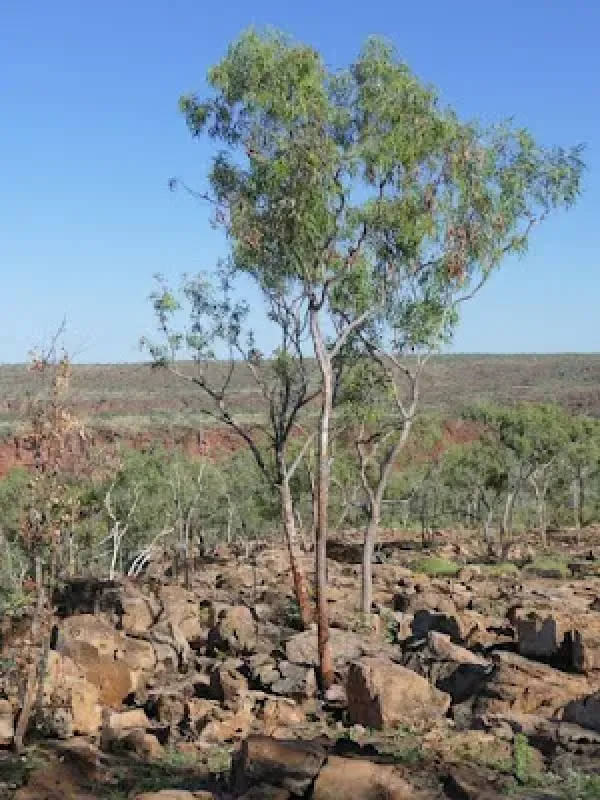
Description
Growing requirements
Eucalyptus dichromophloia is a robust tree species belonging to the Myrtaceae family. It is native to northern Australia, where it thrives in harsh, seasonally dry environments, demonstrating remarkable adaptability to heat and aridity.
This species is highly valued for its ability to grow in poor, skeletal, or sandy soils where other commercial crops would fail. Its root system is deep and expansive, allowing it to access deep-seated water reserves in the ground.
The climate requirements include stable high temperatures with minimal tolerance for frost. It is best suited for arid and semi-arid regions that experience distinct wet and dry seasons, ensuring growth during the monsoon period.
Botanically, the tree is recognized by its unique bark, which sheds in patches to reveal different color shades. Its foliage consists of narrow, leathery, and oil-bearing leaves that are highly efficient at retaining water through stomatal control.
Agronomic management focuses on site preparation to ensure excellent drainage. While it is a low-maintenance species, initial establishment requires weed suppression to prevent competition for essential soil moisture during the first growth cycle.
Main diseases and pests
The primary threats to Eucalyptus dichromophloia are waterlogging and root zone hypoxia, which quickly lead to root decay and the decline of the tree's overall vigor.
Insects such as lerps and scale insects can become problematic in intensive plantation settings, causing significant defoliation if left untreated during outbreaks.
Fungal pathogens affecting the leaves, such as Mycosphaerella, may develop during periods of high humidity, necessitating proper spacing to ensure adequate air circulation between crowns.
Termite damage represents a chronic threat in tropical regions, requiring soil monitoring and potentially non-toxic baiting strategies to protect the root crown of the developing saplings.
Maintaining a healthy, well-drained environment is the best prophylactic measure against most pests and diseases, as the species has strong natural defense mechanisms when not stressed by water imbalances.